
Ultrathin IC Sehemu ndogo za kifurushi Manufacturer.We ni watengenezaji wanaoongoza wa substrates za kifurushi cha ultrathin cha IC, kutoa suluhisho za kisasa kwa vifaa vya elektroniki vya utendaji wa juu. Mbinu zetu za juu za utengenezaji huhakikisha ubora wa kipekee, kuwezesha uboreshaji mdogo na utendakazi ulioimarishwa katika programu mbalimbali, kutoka simu mahiri hadi vifaa vya matibabu. Tuamini kwa ubunifu, ya kuaminika, na vifurushi vidogo vya IC ambavyo vinakidhi mahitaji ya ulimwengu wa kisasa unaoendeshwa na teknolojia.
Ultrathin IC (Mzunguko Uliounganishwa) kifurushi substrates ni sehemu muhimu katika umeme wa kisasa, kuwezesha uboreshaji mdogo na utendakazi ulioimarishwa wa vifaa mbalimbali. Sehemu ndogo hizi zimeundwa kuwa nyembamba sana wakati wa kudumisha umeme unaohitajika, mafuta, na sifa za kiufundi ili kusaidia IC za utendaji wa juu. Sehemu ndogo za Ultrathin ni muhimu sana katika programu ambazo nafasi ni ya malipo, kama vile simu mahiri, vifaa vya kuvaa, na mifumo ya juu ya kompyuta.
Je! Sehemu ndogo ya Kifurushi cha IC ya Ultrathin ni nini?
Sehemu ndogo ya kifurushi cha IC ultrathin ni aina maalum ya bodi ya mzunguko iliyochapishwa (PCB) iliyoundwa ili kutoa jukwaa la kuweka na kuunganisha IC. Substrates hizi zina sifa ya unene wao mdogo, kawaida chini ya 100 mikromita, ambayo inaruhusu maendeleo ya vifurushi vya elektroniki vya hali ya juu. Licha ya wembamba wao, ultrathin substrates lazima ziauni miunganisho ya msongamano wa juu, Usimamizi mzuri wa mafuta, na uthabiti thabiti wa kimitambo ili kuhakikisha utendakazi unaotegemewa wa ICs wanazopangisha.
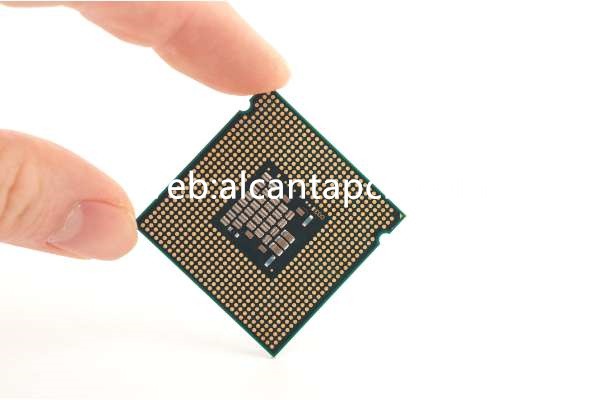
Mwongozo wa Marejeleo ya Usanifu wa Kifurushi cha IC cha Ultrathin
Kubuni substrates za kifurushi cha IC ultrathin inahusisha mbinu ya kina ili kuhakikisha utendakazi bora na kutegemewa..
Uchaguzi wa nyenzo ni muhimu kwa kufikia sifa zinazohitajika katika substrates za ultrathin:
Filamu za Polyimide zenye Msongamano wa Juu: Nyenzo hizi hutoa kubadilika bora, utulivu wa juu wa joto, na insulation nzuri ya umeme, kuwafanya kuwa bora kwa matumizi ya ultrathin.
Foil za shaba: Inatumika kwa athari za conductive na viunganisho, foil za shaba lazima ziwe nyembamba lakini za kudumu ili kudumisha utendaji wa umeme bila kuongeza wingi mkubwa.
Adhesives na Dielectrics: Viungio vya hali ya juu na vifaa vya dielectric vilivyo na viwango vya chini vya dielectric na conductivity ya juu ya mafuta hutumiwa kuunganisha tabaka na kutoa insulation..
Muundo wa safu ya substrates ya ultrathin imeundwa ili kuongeza ufanisi wa nafasi na utendaji:
Safu za Ishara: Safu hizi zimesanidiwa ili kupunguza upotezaji wa mawimbi na mazungumzo tofauti. Mbinu kama vile microstrip na stripline hutumiwa kudumisha kizuizi kinachodhibitiwa.
Nguvu na Tabaka za Ardhi: Nishati iliyojitolea na ndege za ardhini ni muhimu kwa usambazaji thabiti wa nguvu na kupunguza kelele, kuhakikisha uendeshaji wa kuaminika wa IC.
Tabaka za Usimamizi wa Joto: Kuunganisha vias vya joto na visambaza joto husaidia kusambaza joto kwa ufanisi, kuzuia overheating ya vipengele muhimu.
Unganisha Tabaka: Viunganishi vya juu-wiani (HDI) na mikrovia na mashimo huwezesha uelekezaji changamano ndani ya nafasi iliyozuiliwa ya substrates za ultrathin..
Ni Nyenzo Gani Zinazotumika katika Vidogo vya Kifurushi vya Ultrathin IC?
Nyenzo zinazotumiwa katika sehemu ndogo za kifurushi cha IC ultrathin huchaguliwa kwa uwezo wao wa kukidhi mahitaji ya utendakazi magumu.:
Filamu za Polyimide zenye Msongamano wa Juu: Inatoa kubadilika bora, utulivu wa mafuta, na insulation ya umeme, filamu hizi ni chaguo la kawaida kwa matumizi ya ultrathin.
Foil za shaba: Foili za shaba nyembamba lakini za kudumu hutumiwa kwa athari za conductive na viunganisho, kuhakikisha utendaji wa kuaminika wa umeme.
Adhesives na Dielectrics: Viungio vya hali ya juu na vifaa vya dielectric vilivyo na viwango vya chini vya dielectric na conductivity ya juu ya mafuta hutumiwa kuunganisha tabaka na kutoa insulation..
Resin za Epoxy zilizoimarishwa: Nyenzo hizi huongeza nguvu ya mitambo ya substrate wakati wa kudumisha wasifu mdogo.
Ukubwa Gani ni Ultrathin IC Package Substrates?
Ukubwa wa kifurushi cha ultrathin cha IC hutofautiana kulingana na programu mahususi na mahitaji ya kifaa:
Unene: Sehemu ndogo za Ultrathin kawaida huwa chini ya 100 micrometers nene, na miundo mingine inayofikia unene wa chini zaidi ili kukidhi vipengele vidogo vya umbo.
Urefu na Upana: Vipimo hivi vinatambuliwa na saizi ya IC na mpangilio wa viunganishi. Ukubwa wa kawaida huanzia milimita chache kwa IC ndogo hadi sentimita kadhaa kwa vifurushi vikubwa..
Mchakato wa Utengenezaji wa Vidogo vya Kifurushi vya Ultrathin IC
Mchakato wa utengenezaji wa sehemu ndogo za kifurushi cha IC ultrathin unahusisha hatua kadhaa sahihi na zinazodhibitiwa ili kuhakikisha ubora wa juu na utendakazi.:
Filamu za polyimide za wiani wa juu, vifaa vya conductive, na adhesives ni tayari na kukatwa katika ukubwa sahihi kwa ajili ya usindikaji.
Safu zinatengenezwa na laminating vifaa vya conductive na kuhami katika stack. Kila safu ina muundo kwa kutumia upigaji picha ili kufafanua mzunguko.
Microvias na kupitia-mashimo hupigwa kwa kutumia mbinu za laser au mitambo ya kuchimba visima. Mashimo haya huwekwa kwa shaba ili kuunda miunganisho ya umeme kati ya tabaka.
Michakato ya upigaji picha na uandishi hutumiwa kuunda mzunguko wa sauti laini kwenye kila safu. Hatua hii inahitaji usahihi wa juu ili kuhakikisha miunganisho sahihi na ya kuaminika.
Baada ya kutengeneza safu, tabaka ni laminated pamoja chini ya joto na shinikizo. Substrate iliyokusanyika hupitia majaribio makali, ikiwa ni pamoja na kupima umeme, Baiskeli ya mafuta, na vipimo vya mkazo wa mitambo, ili kuhakikisha utendaji na uaminifu.
Eneo la Utumizi la Vijisehemu vidogo vya Kifurushi vya IC vya Ultrathin
Sehemu ndogo za kifurushi cha Ultrathin IC huwezesha uwezo wa hali ya juu katika anuwai ya programu:
Katika simu mahiri, vidonge, na vifaa vinavyoweza kuvaliwa, ultrathin substrates inasaidia muunganisho thabiti na bora wa IC za hali ya juu, kuimarisha utendaji na utendaji huku kupunguza ukubwa na uzito.
Katika seva, Vituo vya data, na kompyuta kubwa, substrates za ultrathin huwezesha kuunganishwa kwa vichakataji vyenye nguvu na moduli za kumbukumbu katika kipengele cha fomu ya kompakt, kuwezesha usindikaji na uhifadhi wa data haraka.
Sehemu ndogo hizi ni muhimu katika miundombinu ya mawasiliano ya simu, ikiwa ni pamoja na vituo vya msingi na vifaa vya mtandao, kutoa muunganisho wa kutegemewa na wa kasi ya juu katika nyayo ndogo.
Katika matumizi ya umeme mbalimbali, kutoka kwa vifaa mahiri vya nyumbani hadi vifaa vya michezo ya kubahatisha, ultrathin substrates huwezesha utendaji wa juu katika laini, miundo yenye ufanisi wa nafasi.
Katika picha za matibabu na vifaa vya uchunguzi, ultrathin substrates inasaidia kupata na kuchakata data ya kasi ya juu, kuboresha usahihi na ufanisi katika taratibu za matibabu.
Je! ni Manufaa gani ya Vidogo vya Kifurushi vya Ultrathin IC?
Sehemu ndogo za kifurushi cha Ultrathin IC hutoa faida kadhaa ambazo zinazifanya ziwe muhimu kwa programu za juu za kielektroniki:
Ubunifu wa Kompakt: Profaili nyembamba sana inaruhusu uboreshaji wa vifurushi vya elektroniki, kuwezesha vifaa kompakt zaidi na kubebeka.
Utendaji wa Juu: Nyenzo na muundo ulioboreshwa huhakikisha uadilifu wa juu wa ishara, hasara ya chini ya nguvu, na usimamizi bora wa joto.
Kuegemea Kuimarishwa: Michakato ya juu ya utengenezaji na nyenzo hutoa kuegemea juu, kuhakikisha utendaji wa muda mrefu katika mazingira yenye mahitaji.
Kubadilika: Asili nyembamba na rahisi ya substrates hizi huwafanya kufaa kwa anuwai ya matumizi, kutoka kwa vifaa vigumu vya utendaji wa juu hadi vifaa vya elektroniki vinavyonyumbulika na kuvaliwa.
Scalability: Vipande vidogo vya Ultrathin vinaweza kubinafsishwa ili kukidhi mahitaji maalum ya programu mbalimbali, kutoka kwa vifaa vidogo vya watumiaji hadi mifumo mikubwa ya viwanda.
Maswali
Je, ni mambo gani ya kuzingatia katika kubuni sehemu ndogo za kifurushi cha IC ultrathin?
Mambo muhimu ya kuzingatia ni pamoja na uteuzi wa nyenzo kwa mali ya umeme na ya joto, uboreshaji wa muundo wa safu kwa uadilifu wa ishara na usimamizi wa joto, na kuhakikisha utulivu wa mitambo na kuegemea.
Je, sehemu ndogo za kifurushi cha ultrathin IC hutofautiana vipi na PCB za kawaida?
Sehemu ndogo za kifurushi cha Ultrathin IC ni nyembamba zaidi, na tabaka zaidi na msongamano wa juu wa muunganisho, iliyoundwa kushughulikia masafa ya juu na viwango vya nishati ikilinganishwa na PCB za kawaida, kuwafanya kufaa kwa maombi ya juu.
Ni mchakato gani wa kawaida wa utengenezaji wa sehemu ndogo za kifurushi cha IC ultrathin?
Mchakato unahusisha maandalizi ya nyenzo, utengenezaji wa safu, kuchimba visima na plating, muundo wa mzunguko, mkutano, na upimaji mkali ili kuhakikisha utendaji wa hali ya juu na kuegemea.
Je, ni matumizi gani kuu ya sehemu ndogo za kifurushi cha ultrathin IC?
Sehemu ndogo hizi hutumiwa katika vifaa vya rununu, Kompyuta ya utendaji wa juu, mawasiliano ya simu, Elektroniki za Watumiaji, na vifaa vya matibabu, kutoa utendakazi wa hali ya juu na kutegemewa katika nyanja hizi.