
Fabricant de substrat de réseau de grille de boule de puce de Flip. En tant que leader Retourner la puce Fabricant de substrats à grille à billes, Nous nous spécialisons dans la production de substrats de haute performance pour des applications électroniques avancées. Nos processus de fabrication de pointe assurent une qualité et une fiabilité supérieures, Répondre aux demandes des industries telles que les télécommunications, calcul, et l'automobile. En tirant parti d’une technologie de pointe et d’un design innovant, nous fournissons des solutions qui améliorent les performances des appareils, soutenir la miniaturisation, et garantir une intégrité thermique et du signal robuste.
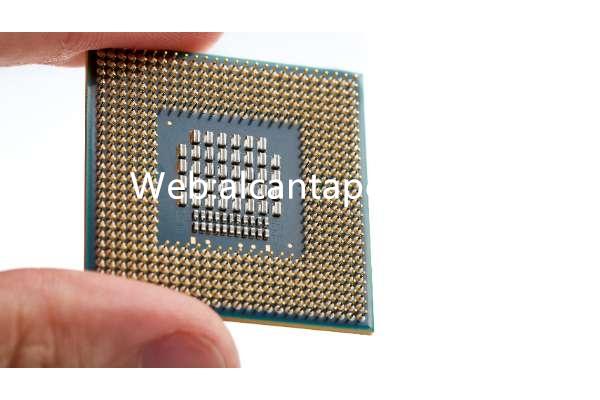
Le réseau de grilles Flip Chip Ball (FC-BGA) substrat est un composant essentiel de l'emballage électronique moderne, offrant une solution robuste pour les applications hautes performances et haute densité. Les substrats FC-BGA sont conçus pour prendre en charge les puces semi-conductrices avancées, assurer les connexions électriques, support mécanique, et dissipation de la chaleur. Ces substrats jouent un rôle central dans l'amélioration des performances et de la fiabilité des circuits intégrés (CI) dans diverses applications, allant de l'électronique grand public aux systèmes automobiles. Dans cet article, nous approfondirons les subtilités des substrats FC-BGA, explorer leur structure, matériels, processus de fabrication, domaines d'application, et avantages.
Qu'est-ce qu'un substrat FC-BGA?
Un substrat FC-BGA est un type de technologie d'emballage utilisé pour monter des puces semi-conductrices directement sur un substrat avec des bosses de soudure.. Contrairement au câblage filaire traditionnel, La technologie Flip Chip retourne la puce à l'envers, permettre à la zone active de faire face au substrat. Cette méthode offre plusieurs avantages, y compris des interconnexions à plus haute densité, performances électriques améliorées, et une meilleure gestion thermique.
Le substrat FC-BGA est constitué de plusieurs couches, comprenant une couche centrale, couches de construction, et couches de masque de soudure. La couche centrale est généralement constituée de matériaux comme le bismaléimide-triazine (Bt) résine ou époxy, qui offrent une excellente stabilité thermique et résistance mécanique. Couches de construction, en matériaux diélectriques et cuivre, sont ajoutés pour créer le câblage complexe requis pour les interconnexions haute densité. Les couches de masque de soudure protègent les circuits et empêchent les ponts de soudure pendant l'assemblage..
Les interconnexions entre la puce et le substrat sont réalisées à l'aide de bosses de soudure, qui sont de petites sphères de matériau de soudure placées sur les plages d'E/S de la puce. Pendant le montage, la puce est retournée et alignée avec le substrat, et les bosses de soudure sont refondues pour créer une connexion mécanique et électrique robuste. Ce processus permet un nombre plus élevé d'interconnexions par unité de surface par rapport au câblage filaire traditionnel..
Structure des substrats FC-BGA
La structure des substrats FC-BGA est complexe et hautement conçue pour répondre aux exigences du conditionnement avancé des semi-conducteurs.. Les substrats sont généralement constitués de plusieurs composants clés:
La couche centrale constitue l'épine dorsale mécanique du substrat. Des matériaux comme la résine BT ou l'époxy sont couramment utilisés en raison de leurs excellentes propriétés thermiques et mécaniques.. La couche centrale est généralement rigide, offrant stabilité et support pour toute la structure du substrat.
Plusieurs couches de construction sont ajoutées des deux côtés de la couche centrale pour créer le routage nécessaire pour les signaux électriques. Ces couches sont constituées de matériaux diélectriques, comme le cuivre recouvert de résine (RCC) ou époxy, et sont entrecoupés de traces de cuivre. Les couches de construction permettent le câblage haute densité requis pour les circuits intégrés avancés, permettant un routage complexe et plusieurs couches d'interconnexions.
Des couches de masque de soudure sont appliquées sur les couches de construction pour protéger les circuits et empêcher les ponts de soudure.. Ces couches sont constituées de matériaux isolants et sont cruciales pour maintenir l'intégrité des connexions électriques pendant l'assemblage et le fonctionnement..
Les bosses de soudure sont de petites sphères de matériau de soudure placées sur les plages d'E/S de la puce.. Ces bosses créent la connexion électrique et mécanique entre la puce et le substrat. Les bosses de soudure sont généralement constituées de matériaux de soudure sans plomb, comme l'étain-argent-cuivre (SAC) alliages, pour respecter la réglementation environnementale.
La structure globale d'un substrat FC-BGA est conçue pour optimiser les performances électriques, gestion thermique, et stabilité mécanique. La combinaison des couches centrales, couches de construction, couches de masque de soudure, et les bosses de soudure garantissent un fonctionnement fiable dans les applications exigeantes.
Matériaux utilisés dans les substrats FC-BGA
Les matériaux utilisés dans les substrats FC-BGA sont soigneusement sélectionnés pour répondre aux exigences strictes des emballages de semi-conducteurs hautes performances.. Les matériaux clés comprennent:
La couche centrale est généralement constituée de résine BT ou d'époxy. La résine BT est privilégiée pour son excellente stabilité thermique, faible constante diélectrique, et bonne résistance mécanique. Les matériaux époxy sont également utilisés pour leur rentabilité et leurs performances adéquates dans de nombreuses applications..
Les couches de construction utilisent des matériaux diélectriques tels que le RCC ou l'époxy pour isoler les traces de cuivre et assurer l'intégrité structurelle. Les matériaux RCC sont connus pour leur faible dilatation thermique et leur grande fiabilité, ce qui les rend adaptés aux interconnexions haute densité.
Le cuivre est largement utilisé pour les traces conductrices dans les couches de construction. Il offre une excellente conductivité électrique, conductivité thermique, et la fiabilité. Les couches de cuivre sont généralement formées par des processus de galvanoplastie, permettant un contrôle précis des dimensions et de l'épaisseur des traces.
Les couches du masque de soudure sont constituées de matériaux isolants qui protègent les circuits sous-jacents et empêchent les ponts de soudure.. Ces matériaux sont généralement à base d'époxy et sont appliqués à l'aide de techniques de sérigraphie ou de photo-imagerie..
Les bosses de soudure sont constituées de matériaux de soudure sans plomb, comme les alliages SAC. Ces matériaux offrent de bonnes propriétés mécaniques, excellente résistance à la fatigue thermique, et le respect des réglementations environnementales.
La sélection et la combinaison minutieuses de ces matériaux sont cruciales pour obtenir le résultat électrique souhaité., thermique, et performances mécaniques des substrats FC-BGA. Chaque matériau contribue à la fiabilité et aux performances globales du substrat, s'assurer qu'il répond aux exigences de l'emballage avancé des semi-conducteurs.
Tle processus de fabrication des substrats FC-BGA
Le processus de fabrication des substrats FC-BGA implique plusieurs étapes complexes, chacun contribuant à la qualité globale et à la performance du produit final. Le processus comprend:
La première étape consiste à préparer les matériaux de base, matériaux diélectriques, et feuilles de cuivre. Les matériaux de base sont généralement laminés avec des feuilles de cuivre pour former le substrat initial..
Pour substrats multicouches, plusieurs couches de diélectrique et de cuivre sont empilées et liées ensemble à l'aide de processus de stratification. Cette étape nécessite un alignement et un contrôle précis pour garantir un enregistrement et une liaison appropriés de chaque couche..
Après l'empilement des couches, des trous sont percés dans le substrat pour créer des vias et des trous traversants. Techniques de forage avancées, comme le perçage au laser, peut être utilisé pour les microvias et les exigences de haute précision. Les trous percés sont ensuite nettoyés et préparés pour le placage.
Les trous percés sont plaqués de cuivre pour créer des connexions électriques entre les couches. Cela implique de déposer une fine couche de cuivre sur les parois des trous grâce à des procédés de galvanoplastie.. Le processus de placage doit être soigneusement contrôlé pour garantir une couverture et une adhérence uniformes..
Les motifs de circuits souhaités sont transférés sur les couches de cuivre à l'aide d'un processus photolithographique.. Il s'agit d'appliquer un film photosensible (photorésist) à la surface du cuivre et en l'exposant aux ultraviolets (UV) Lumière à travers un photomasque. Les zones exposées de la résine photosensible sont développées, laisser derrière lui le modèle de circuit. La carte est ensuite gravée pour éliminer le cuivre indésirable, ne laissant que les traces du circuit.
Un masque de soudure est appliqué sur la carte pour protéger les circuits et empêcher les ponts de soudure. Le masque de soudure est généralement appliqué à l'aide de techniques de sérigraphie ou de photo-imagerie, puis durci pour le durcir..
Une finition de surface est appliquée sur les zones de cuivre exposées pour améliorer la soudabilité et protéger contre l'oxydation.. Les finitions de surface courantes incluent l'or à immersion au nickel autocatalytique (Accepter), Nivellement de la soudure à air chaud (Saigner), et argent d'immersion.
Des bosses de soudure sont placées sur les plots d'E/S de la puce, et la puce est ensuite retournée et alignée avec le substrat. Les bosses de soudure sont refondues pour créer une connexion mécanique et électrique robuste entre la puce et le substrat.
La dernière étape implique des tests et une inspection rigoureux pour garantir que le substrat répond à toutes les exigences de performance et de fiabilité.. Tests électriques, inspection visuelle, et inspection optique automatisée (AOI) sont utilisés pour identifier tout défaut ou irrégularité. Tous les problèmes identifiés lors des tests sont résolus avant que les substrats ne soient approuvés pour l'expédition..
Le processus de fabrication des substrats FC-BGA nécessite un contrôle et une expertise précis pour garantir une qualité et une fiabilité élevées.. Chaque étape est essentielle pour atteindre les performances et la fiabilité souhaitées du produit final..
Domaines d'application des substrats FC-BGA
Les substrats FC-BGA sont utilisés dans une large gamme d'applications dans diverses industries en raison de leurs hautes performances et de leur fiabilité.. Les principaux domaines d'application comprennent:
Les substrats FC-BGA sont largement utilisés dans l'électronique grand public, comme les smartphones, comprimés, et consoles de jeu. Ces dispositifs nécessitent des circuits intégrés hautes performances avec des solutions de conditionnement avancées pour atteindre les performances et le facteur de forme souhaités.. Les substrats FC-BGA fournissent les interconnexions nécessaires, gestion thermique, et support mécanique pour ces puces hautes performances.
L'industrie automobile s'appuie sur une électronique de pointe pour diverses applications, y compris les unités de commande du moteur (COUVERTURE), systèmes avancés d'aide à la conduite (ADAS), et systèmes d'infodivertissement. Les substrats FC-BGA offrent une grande fiabilité, gestion thermique, et stabilité mécanique requises pour les applications automobiles, assurer le fonctionnement sûr et efficace des systèmes électroniques des véhicules.
En télécommunications, Les substrats FC-BGA sont utilisés dans les stations de base, infrastructure réseau, et dispositifs de communication. Les interconnexions haute densité et les performances électriques supérieures des substrats FC-BGA les rendent idéaux pour gérer les signaux haute fréquence et les débits de données requis dans les systèmes de communication modernes..
Dispositifs médicaux, tels que les systèmes d'imagerie, équipement de diagnostic, et dispositifs de surveillance des patients, nécessitent des circuits intégrés performants et fiables. Les substrats FC-BGA offrent les performances électriques nécessaires, gestion thermique, et fiabilité pour ces applications critiques, garantir un fonctionnement précis et cohérent des dispositifs médicaux.
En électronique industrielle, Les substrats FC-BGA sont utilisés dans les systèmes d'automatisation, gestion de l'énergie, et systèmes de contrôle. Ces applications nécessitent des solutions d'emballage robustes et fiables pour résister à des conditions environnementales difficiles et garantir un fonctionnement continu.. Les substrats FC-BGA offrent les performances et la durabilité nécessaires pour les applications industrielles.
Les applications aérospatiales et de défense exigent des systèmes électroniques de haute fiabilité et de hautes performances. Les substrats FC-BGA sont utilisés dans les systèmes radar, équipement de communication, et avionique, fournir les performances électriques nécessaires, gestion thermique, et stabilité mécanique pour les applications critiques.
Avantages des substrats FC-BGA
Les substrats FC-BGA offrent plusieurs avantages qui en font un choix privilégié pour les applications hautes performances et haute fiabilité. Ces avantages comprennent:
Les substrats FC-BGA permettent un nombre élevé d'interconnexions par unité de surface, permettant des conceptions de circuits intégrés plus complexes et plus performantes. Cette haute densité est obtenue grâce à l'utilisation de bosses de soudure et de structures multicouches avancées., offrant des performances électriques et une intégrité du signal supérieures.
La technologie Flip Chip utilisée dans les substrats FC-BGA offre des chemins de signal plus courts et plus directs par rapport à la liaison filaire traditionnelle.. Cela entraîne une perte de signal plus faible, inductance et capacité parasites réduites, et une intégrité du signal améliorée, ce qui rend les substrats FC-BGA idéaux pour les applications haute fréquence et haute vitesse.
Les substrats FC-BGA offrent une gestion thermique efficace grâce à l'utilisation de matériaux à haute conductivité thermique et de structures optimisées. La configuration de la puce retournée permet également une dissipation directe de la chaleur de la puce vers le substrat., réduisant la résistance thermique et améliorant la dissipation thermique. Ceci est crucial pour les applications haute puissance où une gestion thermique efficace est essentielle pour un fonctionnement fiable..
La structure robuste des substrats FC-BGA, y compris l'utilisation de résine BT ou de matériaux de base époxy, offre une excellente stabilité mécanique et fiabilité. Cela garantit que les substrats peuvent résister aux contraintes mécaniques, Cyclisme thermique, et des conditions environnementales difficiles sans compromettre les performances.
Les substrats FC-BGA offrent une évolutivité en termes de performances et de fabrication. La technologie permet l'intégration de plusieurs puces et fonctions sur un seul substrat, permettant le développement de systèmes avancés dans un package (Siroter) solutions. En plus, les processus de fabrication des substrats FC-BGA sont compatibles avec une production en grand volume, ce qui les rend adaptés à la fois à l'électronique grand public à faible coût et aux applications industrielles haut de gamme.
Les substrats FC-BGA sont polyvalents et peuvent être utilisés dans une large gamme d'applications, de l'électronique grand public à l'automobile, télécommunications, dispositifs médicaux, électronique industrielle, et aérospatiale et défense. La combinaison de hautes performances, fiabilité, et l'évolutivité font des substrats FC-BGA un choix idéal pour diverses industries et applications.
FAQ
Qu'est-ce qui différencie les substrats FC-BGA des substrats BGA traditionnels?
Les substrats FC-BGA diffèrent des substrats BGA traditionnels principalement par leur utilisation de la technologie Flip Chip.. Dans les substrats FC-BGA, la puce est retournée et connectée au substrat à l'aide de bosses de soudure, ce qui entraîne des interconnexions à plus forte densité, performances électriques améliorées, et une meilleure gestion thermique. Les substrats BGA traditionnels utilisent une liaison filaire, qui peut ne pas offrir le même niveau de performances dans les applications haute fréquence et haute puissance.
Les substrats FC-BGA peuvent-ils être utilisés dans des applications haute puissance?
Oui, Les substrats FC-BGA sont bien adaptés aux applications haute puissance. La configuration de la puce retournée permet une dissipation directe de la chaleur de la puce vers le substrat., réduire la résistance thermique et améliorer la gestion thermique. Cela rend les substrats FC-BGA idéaux pour des applications telles que les amplificateurs de puissance., électronique automobile, et systèmes industriels où une dissipation efficace de la chaleur est cruciale pour un fonctionnement fiable.
Les substrats FC-BGA sont-ils adaptés à une utilisation dans des environnements difficiles?
Les substrats FC-BGA sont parfaitement adaptés à une utilisation dans des environnements difficiles. La structure robuste, y compris l'utilisation de matériaux dotés d'excellentes propriétés thermiques et mécaniques, garantit des performances fiables dans diverses conditions environnementales, comme des températures élevées, humidité, et contrainte mécanique. Cela fait des substrats FC-BGA un excellent choix pour l'automobile, aérospatial, et applications de défense où la fiabilité dans des conditions extrêmes est essentielle.
Comment le processus de fabrication des substrats FC-BGA garantit-il une qualité et une fiabilité élevées?
Le processus de fabrication des substrats FC-BGA implique plusieurs étapes complexes, y compris la préparation du matériel, empilement de couches, forage, placage, imagerie, gravure, application de masque de soudure, finition de surface, placement des bosses de soudure, et des tests et inspections rigoureux. Chaque étape est soigneusement contrôlée et surveillée pour garantir une qualité et une fiabilité élevées. Techniques avancées telles que le perçage laser, galvanoplastie, et inspection optique automatisée (AOI) sont utilisés pour obtenir des résultats précis et cohérents. Ce processus méticuleux garantit que les substrats FC-BGA répondent aux exigences strictes de performance et de fiabilité des emballages de semi-conducteurs hautes performances..