
Fabricant de substrat 5G ultra-mince. En tant que 5G ultra-mince avancé Substrat Fabricant, nous sommes spécialisés dans la production de substrats de pointe conçus pour la prochaine génération de communications à haut débit. Nos substrats ultra-fins offrent une intégrité supérieure du signal, gestion thermique améliorée, et une fiabilité exceptionnelle, répondre aux exigences strictes de la technologie 5G. En mettant l’accent sur l’innovation et la qualité, nous fournissons des substrats qui renforcent les appareils hautes performances, assurer une connectivité transparente et des performances optimales dans le paysage 5G en évolution rapide.
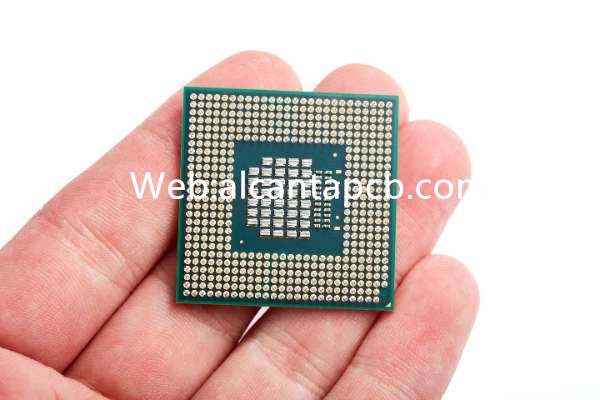
L’avènement de la technologie 5G a révolutionné les télécommunications, des vitesses de données prometteuses sans précédent, latence ultra faible, et une connectivité massive. Pour répondre à ces exigences exigeantes, les substrats utilisés dans les appareils 5G doivent être très avancés. Les substrats 5G ultra-fins sont conçus pour prendre en charge ces applications de pointe, offrant des performances élevées, excellente intégrité du signal, et une gestion thermique efficace dans un format compact. Cet article explore les fonctionnalités, considérations de conception, matériels, processus de fabrication, applications, et avantages des substrats 5G ultra-fins.
Qu'est-ce qu'un substrat 5G ultra-fin?
Un substrat 5G ultra-fin est un type de carte de circuit imprimé (PCB) matériau spécialement conçu pour répondre aux exigences haute fréquence et haute vitesse de la technologie 5G. Ces substrats se caractérisent par leur épaisseur minimale, conductivité thermique élevée, et d'excellentes propriétés électriques, ce qui les rend idéaux pour l'intégration dans les appareils et l'infrastructure 5G. Le profil ultra fin permet des conceptions compactes et légères, qui sont cruciaux pour les appareils de communication modernes.
Caractéristiques des substrats 5G ultra-fins
Les substrats 5G ultra-fins possèdent plusieurs caractéristiques clés qui les rendent adaptés aux applications hautes performances:
Ces substrats sont conçus pour gérer les hautes fréquences associées aux signaux 5G, assurant une perte de signal minimale et une excellente qualité de transmission.
Une conductivité thermique efficace est cruciale pour dissiper la chaleur générée par les composants électroniques à grande vitesse, maintenir des températures de fonctionnement stables et éviter la surchauffe.
Le profil ultra fin offre un certain degré de flexibilité, ce qui est bénéfique pour les applications nécessitant un cintrage ou une flexion du substrat sans compromettre les performances.
Malgré leur maigreur, ces substrats maintiennent la stabilité dimensionnelle, assurer un alignement et un placement précis des composants pendant la fabrication et l'exploitation.
L'utilisation de matériaux de haute pureté minimise les défauts et les impuretés, ce qui peut affecter les performances des appareils 5G.
Considérations de conception pour les substrats 5G ultra-fins
La conception de substrats 5G ultra-fins implique plusieurs considérations critiques pour garantir des performances et une fiabilité optimales:
Le choix du matériau du support est crucial. Matériaux comme le polymère à cristaux liquides (PCL), polytétrafluoroéthylène (PTFE), et d'autres polymères hautes performances sont couramment utilisés pour leurs excellentes propriétés électriques et thermiques.
Une gestion thermique efficace est essentielle pour éviter la surchauffe. La conception doit inclure des dispositions pour la dissipation thermique, tels que les vias thermiques et les dissipateurs de chaleur.
Le maintien de l’intégrité du signal à hautes fréquences est crucial. Cela implique un contrôle précis de l'impédance de la trace, minimiser les interférences du signal, et mettre en œuvre des techniques de protection efficaces.
Le substrat doit avoir une résistance mécanique et une flexibilité adéquates pour résister aux contraintes des processus de fabrication et des conditions opérationnelles..
La finition de surface doit être lisse et exempte de défauts pour garantir une bonne adhérence et un bon alignement des composants..
Matériaux utilisés dans les substrats 5G ultra-fins
Plusieurs matériaux sont couramment utilisés dans la fabrication de substrats 5G ultra-fins:
Le LCP est connu pour ses excellentes propriétés électriques, haute stabilité thermique, et faible absorption d'humidité, Le faire idéal pour les applications à haute fréquence.
Le PTFE offre une isolation électrique et une résistance thermique supérieures, ce qui en fait un choix populaire pour les applications RF et micro-ondes.
Les substrats en polyimide offrent une excellente stabilité thermique et une excellente flexibilité mécanique, adapté aux applications nécessitant une flexion ou une flexion.
Matériaux céramiques avancés, comme l'alumine et le nitrure d'aluminium, offrent une conductivité thermique élevée et une excellente isolation électrique, ce qui les rend adaptés aux applications de haute puissance.
Les substrats en verre sont utilisés pour leur transparence et leurs propriétés isolantes, en particulier dans les dispositifs optoélectroniques.
Processus de fabrication de substrats 5G ultra-fins
Le processus de fabrication des substrats 5G ultra-fins implique plusieurs étapes précises pour garantir une qualité et des performances élevées.:
La matière première est préparée et découpée sur mesure. Pour substrats polymères, cela implique d'extruder ou de couler le matériau en feuilles minces.
Plusieurs couches du matériau du substrat peuvent être laminées ensemble pour obtenir l'épaisseur et les propriétés souhaitées.. Ce processus implique de la chaleur et de la pression pour lier les couches.
Les modèles de circuits sont créés à l'aide de processus photolithographiques. Un film photosensible (photorésist) est appliqué sur le support, exposé aux ultraviolets (UV) lumière à travers un masque, et développé pour révéler les modèles de circuits souhaités. Le substrat est ensuite gravé pour éliminer les matériaux indésirables.
Des vias sont percés dans le substrat pour créer des connexions électriques verticales entre les différentes couches. Ces trous sont ensuite plaqués de cuivre pour établir des chemins conducteurs.
Finitions de surface telles que Electroless Nickel Immersion Gold (Accepter) ou de l'argent par immersion sont appliqués sur les plages de contact pour améliorer la soudabilité et protéger contre l'oxydation.
Les substrats finaux subissent l'assemblage, où les composants sont ajoutés. Des tests rigoureux, y compris les tests d'intégrité du signal, tests d'adaptation d'impédance, et tests de résistance environnementaux, sont menées pour garantir que les substrats répondent aux normes de performance.
Applications des substrats 5G ultra-fins
Les substrats 5G ultra-fins sont utilisés dans une variété d'applications hautes performances:
Ces substrats sont essentiels à la fabrication haute densité, PCB hautes performances utilisés dans les smartphones et tablettes modernes, permettant des vitesses de données plus rapides et une connectivité améliorée.
Des substrats ultra-fins sont utilisés dans les stations de base 5G pour prendre en charge les composants RF haute fréquence nécessaires à une transmission et une réception fiables du signal..
La flexibilité et la compacité des substrats ultra-fins les rendent idéaux pour les appareils portables, qui nécessitent des composants électroniques légers et durables.
Dans l'industrie automobile, ces substrats sont utilisés dans les systèmes avancés d'aide à la conduite (ADAS) et autres systèmes électroniques hautes performances.
Les substrats ultra-fins sont utilisés dans les dispositifs médicaux qui nécessitent un traitement à grande vitesse et des performances fiables, tels que les systèmes d'imagerie diagnostique et les équipements de surveillance avancés.
Avantages des substrats 5G ultra-fins
Les substrats 5G ultra-fins offrent plusieurs avantages qui les rendent indispensables dans les applications hautes performances:
Ces substrats sont conçus pour gérer les hautes fréquences associées aux signaux 5G, assurant une perte de signal minimale et une excellente qualité de transmission.
La conception en couches facilite une dissipation efficace de la chaleur, empêchant la surchauffe et assurant un fonctionnement stable.
Le profil ultra fin offre un certain degré de flexibilité, bénéfique pour les applications nécessitant une flexion ou une flexion sans compromettre les performances.
L'épaisseur réduite de ces substrats permet des conceptions plus compactes et légères, qui sont cruciaux pour les appareils de communication modernes.
L'utilisation de matériaux de haute pureté minimise les défauts et les impuretés, garantir des performances fiables des appareils 5G.
FAQ
Quels sont les principaux avantages de l’utilisation de substrats 5G ultra-fins?
Les principaux avantages incluent les performances haute fréquence, gestion thermique efficace, flexibilité mécanique, conception compacte et légère, et l'utilisation de matériaux de haute pureté, garantir des performances fiables dans les applications à grande vitesse.
Quels matériaux sont couramment utilisés dans la fabrication de substrats 5G ultra-fins?
Les matériaux courants incluent le polymère à cristaux liquides (PCL), polytétrafluoroéthylène (PTFE), polyimide, céramique avancée, et du verre. Ces matériaux sont choisis pour leurs excellentes propriétés électriques et thermiques.
Comment la conception d'un substrat 5G ultra-fin garantit-elle l'intégrité du signal?
La conception garantit l'intégrité du signal en fournissant une impédance contrôlée, minimiser les interférences du signal, et mettre en œuvre des techniques de protection efficaces. Des outils de simulation sont utilisés pour optimiser ces aspects pour les performances haute fréquence.
Quelles sont les applications courantes des substrats 5G ultra-fins?
Les applications courantes incluent les smartphones et les tablettes, 5Bornes de base G, appareils portables, électronique automobile, et dispositifs médicaux. Ces substrats sont utilisés dans des systèmes nécessitant des interconnexions haute densité et des performances fiables.