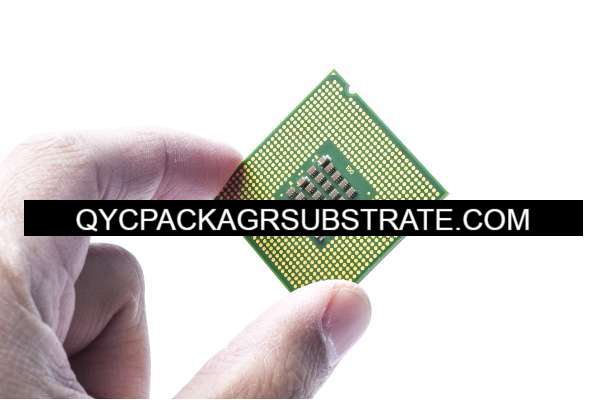
Ultra-thin CPU Substrates Manufacturer.extremely thin substrates for central processing units (CPU). These advanced substrates are engineered to support the latest generation of CPUs, providing essential electrical connections, 열 관리, and mechanical stability in a compact form factor. With cutting-edge technology and precision manufacturing, they enable faster, more efficient CPUs while reducing overall device thickness. Ideal for applications requiring both high performance and space-saving design, these substrates are crucial for next-generation electronics.
Ultra-thin CPU 기판 represent a cutting-edge advancement in the field of semiconductor packaging technology. These substrates are designed to support the ever-growing demands for higher performance, lower power consumption, and increased miniaturization in modern electronic devices. Ultra-thin CPU substrates enable more efficient thermal management, 향상된 전기적 성능, and improved mechanical properties, making them critical components in the production of high-performance CPUs. This article explores the properties, 구조, 재료, 제조 공정, 애플리케이션, and advantages of ultra-thin CPU substrates.
What are Ultra-thin CPU Substrates?
Ultra-thin CPU substrates are specialized substrates used in the packaging of central processing units (CPU). These substrates are characterized by their extremely thin profile, which can be as thin as 50 micrometers or less. The primary function of these substrates is to provide a stable platform for the CPU die, facilitate electrical connections, and ensure efficient heat dissipation.

The development of ultra-thin CPU substrates is driven by the need for higher performance and greater power efficiency in modern CPUs. By reducing the thickness of the 기판, manufacturers can achieve several benefits, including improved thermal management, reduced electrical resistance, and enhanced mechanical flexibility. These substrates are essential for the continued advancement of CPU technology and the production of smaller, more powerful electronic devices.
Structure of Ultra-thin CPU Substrates
The structure of ultra-thin CPU substrates is meticulously designed to optimize performance and ensure reliable operation. 주요 구조 요소는 다음과 같습니다:
The base material of ultra-thin CPU substrates is typically a high-performance resin or ceramic composite. This material provides the necessary mechanical strength and thermal stability while maintaining a thin profile.
Conductive layers, usually made of copper, are used to create the electrical pathways that connect the CPU die to other components. These layers are precisely patterned to minimize resistance and ensure efficient signal transmission.
Dielectric layers are used to insulate the conductive layers and prevent electrical shorts. These layers are made from low-loss materials to ensure minimal signal attenuation and high-frequency performance.
Microvias are tiny holes drilled through the substrate to create vertical electrical connections between different layers. These vias are filled with conductive material, 구리와 같은, to establish reliable interconnects.
Surface finishes, such as ENEPIG (무전해 니켈 무전해 팔라듐 침지 금) 또는 OSP (유기 납땜성 보존제), are applied to the contact pads to enhance solderability and protect against oxidation.
Some ultra-thin CPU substrates incorporate reinforcement layers to improve mechanical strength and flexibility. These layers are made from materials like polyimide or aramid fibers.
Materials Used in Ultra-thin CPU Substrates
The choice of materials for ultra-thin CPU substrates is critical to their performance and reliability. 주요 자료는 다음과 같습니다:
Advanced resin materials, such as BT (비스말레이미드 트리아진) resin or modified epoxy, are used for the base of the substrate. These resins offer excellent thermal stability, low moisture absorption, and high mechanical strength.
Ceramic composites, such as aluminum oxide or aluminum nitride, are used in some ultra-thin CPU substrates to provide superior thermal conductivity and electrical insulation properties.
High-purity copper foils are used for the conductive layers. These foils are precisely patterned to create the electrical pathways and ensure low resistance and high current-carrying capacity.
Low-loss dielectric materials, such as polyimide or liquid crystal polymer (LCP), 전도성 층을 절연하는 데 사용됩니다.. These materials have excellent electrical properties and are essential for high-frequency performance.
Reinforcement materials, such as polyimide films or aramid fibers, are used to enhance the mechanical strength and flexibility of the substrate. These materials help prevent cracking and warping during thermal cycling.
Surface finishes, such as ENEPIG or OSP, are applied to the contact pads to improve solderability and protect against oxidation and corrosion.
The Manufacturing Process of Ultra-thin CPU Substrates
The manufacturing process of ultra-thin CPU substrates involves several precise and controlled steps to ensure high quality and performance. 주요 단계는 다음과 같습니다:
고품질 원료, including resins, 도예, 그리고 구리 포일, 요구되는 사양을 충족하는지 확인하기 위해 준비되고 검사됩니다..
The base material and copper foils are laminated together using heat and pressure to form a unified substrate. 이 단계에는 레이어가 적절하게 접착되었는지 확인하기 위한 정밀한 정렬 및 제어가 포함됩니다..
Microvias and through-holes are drilled into the substrate to create vertical electrical interconnections. 그런 다음이 구멍은 구리로 도금되어 전도성 경로를 설정합니다..
회로 패턴은 포토리소그래피 공정을 사용하여 생성됩니다.. 여기에는 감광성 필름을 적용하는 작업이 포함됩니다. (포토 레지스트) 구리 표면에, 자외선에 노출시켜 (UV) 마스크를 통해 빛, 노출된 영역을 개발하여 원하는 회로 패턴을 나타냅니다.. The substrate is then etched to remove the unwanted copper, 회로 흔적을 남기고.
전도성 층을 절연하기 위해 유전체 층이 적용됩니다.. This step involves coating the substrate with a low-loss dielectric material and curing it to form a solid layer.
If required, reinforcement layers are added to the substrate to enhance mechanical strength and flexibility. These layers are typically applied using lamination or coating techniques.
Surface finishes, such as ENEPIG or OSP, are applied to the contact pads to improve solderability and protect against oxidation. 이러한 마감재는 도금 또는 침지 기술을 사용하여 적용됩니다..
The final substrates undergo rigorous inspection and testing to ensure they meet all performance and reliability standards. 전기 테스트, 육안 검사, 자동화된 광학 검사 (AOI) 결함이나 불규칙성을 식별하는 데 사용됩니다..
Application Areas of Ultra-thin CPU Substrates
Ultra-thin CPU substrates are used in a wide range of electronic applications across various industries. 주요 응용 분야는 다음과 같습니다.:
Ultra-thin CPU substrates are essential in consumer electronics, 스마트폰과 같은, 정제, and laptops. They enable the production of thinner, 거룻배, 더 강력한 장치.
In data centers, ultra-thin CPU substrates support high-performance computing and server applications. They provide the necessary performance and efficiency for handling large-scale data processing and storage.
Ultra-thin CPU substrates are used in automotive electronics, including advanced driver-assistance systems (ADAS), 인포테인먼트 시스템, and engine control units (씌우다). They ensure reliable performance and efficient heat dissipation in automotive applications.
통신에서, ultra-thin CPU substrates support high-speed data transmission and processing in networking equipment, such as routers, 스위치, and base stations.
Ultra-thin CPU substrates are employed in medical devices, such as diagnostic equipment, imaging systems, 웨어러블 장치. They provide the necessary performance and miniaturization for advanced medical applications.
Advantages of Ultra-thin CPU Substrates
Ultra-thin CPU substrates offer several advantages that make them indispensable for modern electronic applications. 이러한 장점은 다음과 같습니다:
The reduced thickness of the substrates allows for more efficient heat dissipation, preventing overheating and ensuring reliable operation of the CPU.
The use of high-performance materials and advanced manufacturing techniques results in lower electrical resistance and improved signal integrity, enabling higher data transfer rates and faster processing speeds.
Ultra-thin CPU substrates enable the production of smaller and lighter electronic devices without compromising performance. This is critical for applications where space and weight are at a premium.
The incorporation of reinforcement materials enhances the mechanical strength and flexibility of the substrates, preventing cracking and warping during thermal cycling and mechanical stress.
The use of advanced materials and precise manufacturing processes ensures high reliability and long-term durability of the substrates, reducing the risk of failures and extending the lifespan of the electronic devices.
FAQ
What materials are commonly used in ultra-thin CPU substrates?
Common materials used in ultra-thin CPU substrates include high-performance resins like BT resin and modified epoxy, ceramic composites such as aluminum oxide and aluminum nitride, high-purity copper foils, low-loss dielectrics like polyimide and LCP, and reinforcement materials such as polyimide films and aramid fibers. These materials provide the necessary thermal stability, 전기적 성능, and mechanical strength for high-performance CPU packaging.
How do ultra-thin CPU substrates improve thermal management in electronic devices?
Ultra-thin CPU substrates improve thermal management by allowing for more efficient heat dissipation. The reduced thickness of the substrate enables better heat transfer from the CPU die to the surrounding environment, preventing overheating and ensuring reliable operation. 추가적으로, the use of high-performance materials with excellent thermal conductivity further enhances the thermal management capabilities of the substrates.
Can ultra-thin CPU substrates be used in automotive applications?
예, ultra-thin CPU substrates are highly suitable for automotive applications. They provide the necessary performance and reliability for advanced driver-assistance systems (ADAS), 인포테인먼트 시스템, and engine control units (씌우다). The improved thermal management and mechanical strength of ultra-thin substrates make them ideal for use in the demanding conditions of automotive environments.
What are the key advantages of using ultra-thin CPU substrates in consumer electronics?
The key advantages of using ultra-thin CPU substrates in consumer electronics include improved thermal management, 향상된 전기적 성능, increased miniaturization, and better mechanical properties. These benefits enable the production of thinner, 거룻배, 더 강력한 장치, 스마트폰과 같은, 정제, and laptops, while ensuring reliable and efficient operation.
알칸타 기술(선전)주식회사