
Ultra-mince Substrats BGA Fabricant.Nous sommes l’un des principaux fabricants de substrats BGA ultrafins, spécialisé dans la production de hautes performances, solutions miniaturisées pour applications électroniques avancées. Nos processus de fabrication de pointe assurent une qualité et une fiabilité supérieures, répondre aux exigences de la technologie moderne dans des secteurs tels que les télécommunications, calcul, et l'électronique grand public.
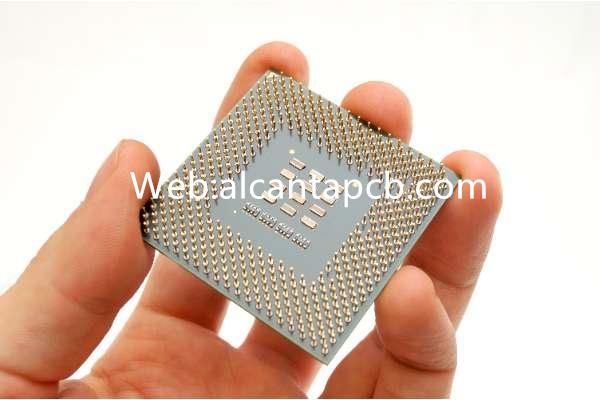
Réseau de grilles à billes ultra fines (BGA) substrats sont des composants essentiels dans le packaging des circuits intégrés (CI), en particulier dans les applications haute densité et hautes performances. Ces substrats offrent des performances électriques et thermiques supérieures tout en minimisant la taille et le poids global du boîtier électronique.. Les substrats BGA ultrafins sont de plus en plus utilisés dans l'électronique avancée, comme les smartphones, ordinateurs portables, et autres appareils portables, où l'espace et les performances sont des considérations essentielles.
Qu'est-ce qu'un substrat BGA ultrafin?
Un substrat BGA ultrafin est un type de substrat utilisé dans l'emballage de dispositifs semi-conducteurs.. Il sert de base sur laquelle la puce semi-conductrice est montée et assure les connexions électriques nécessaires entre la puce et le circuit imprimé. (PCB). Le “ultra-mince” l'aspect fait référence à l'épaisseur réduite du substrat par rapport aux substrats BGA traditionnels, permettant des boîtiers électroniques plus compacts et plus légers.
Le conditionnement BGA consiste à placer des billes de soudure selon un motif en grille sur la surface inférieure du substrat., qui sont utilisés pour créer des connexions électriques avec le PCB pendant le processus de brasage par refusion. Les substrats BGA ultrafins conservent la même fonctionnalité mais offrent une épaisseur réduite, ce qui les rend idéaux pour les applications où l'espace est limité.
Guide de référence de conception de substrat BGA ultrafin
La conception d'un substrat BGA ultrafin implique plusieurs considérations clés pour garantir des performances et une fiabilité optimales. Les sections suivantes décrivent les aspects essentiels de la conception de substrats BGA ultrafins..
Plusieurs considérations clés doivent être prises en compte lors de la phase de conception:
Contrôle de l'impédance: Un contrôle précis de l'impédance est essentiel pour maintenir l'intégrité du signal à hautes fréquences. Cela implique une conception minutieuse des traces de signal et l'utilisation de matériaux à impédance contrôlée..
Gestion thermique: Une gestion thermique efficace est cruciale pour les applications à haute puissance. La conception doit intégrer des vias thermiques, dissipateurs de chaleur, ou d'autres techniques pour dissiper efficacement la chaleur.
Stabilité mécanique: Le substrat doit fournir un support mécanique robuste pour résister aux cycles thermiques et aux contraintes mécaniques pendant le fonctionnement..
Fiabilité: La fiabilité à long terme est assurée grâce à l'utilisation de matériaux de haute qualité et de processus de fabrication précis, prévenir les problèmes tels que le délaminage et la déformation.
Quels matériaux sont utilisés dans les substrats BGA ultrafins?
Les matériaux utilisés dans les substrats BGA ultrafins sont sélectionnés pour leurs propriétés complémentaires afin d'améliorer les performances globales du substrat.:
Stratifiés haute performance: Fournit une résistance mécanique et une stabilité thermique tout en conservant un profil mince. Les matériaux courants incluent le polyimide, polymère à cristaux liquides (PCL), et FR-4 haute température.
Feuilles de cuivre ultra fines: Utilisé pour les couches conductrices, offrant une excellente conductivité électrique et une excellente fiabilité.
Diélectriques à faibles pertes: Utilisé pour isoler les traces conductrices et maintenir l'intégrité du signal.
Adhésifs avancés: Lier les couches ensemble et assurer la stabilité mécanique.
Quelle est la taille des substrats BGA ultrafins?
La taille des substrats BGA ultrafins varie en fonction de l'application et des exigences de conception spécifiques.:
Épaisseur: Les substrats BGA ultrafins ont généralement une épaisseur allant de 50 à 200 micromètres, en fonction des exigences de conception et d'application.
Dimensions: La longueur et la largeur des substrats sont déterminées par la taille de la puce semi-conductrice et la disposition du système.. Ils peuvent aller de petits facteurs de forme pour les appareils compacts à des substrats plus grands pour les systèmes électroniques plus complexes..
Le processus de fabrication des substrats BGA ultrafins
Le processus de fabrication des substrats BGA ultrafins implique plusieurs étapes précises et contrôlées pour garantir une qualité et des performances élevées.:
Stratifiés de haute qualité, feuilles de cuivre, et les adhésifs sont sélectionnés et préparés pour le traitement. Les matériaux sont nettoyés et traités pour éliminer toutes impuretés et garantir une surface lisse.
Les couches du substrat sont laminées ensemble par chaleur et pression.. Cette étape garantit que les couches sont solidement liées ensemble et que le substrat conserve son profil mince..
Les couches conductrices sont modelées et gravées pour créer les chemins électriques nécessaires. Cela implique l'utilisation de techniques de photolithographie et de gravure chimique pour obtenir des motifs précis et exacts..
Des trous sont percés dans le substrat pour créer des vias pour les connexions électriques entre les couches. Les vias sont ensuite plaqués de cuivre pour garantir une conductivité électrique fiable.
Les billes de soudure sont placées selon un motif en grille sur la surface inférieure du substrat.. Ces billes seront utilisées pour créer des connexions électriques avec le PCB pendant le processus de brasage par refusion.
Après fabrication, le substrat est assemblé avec la puce semi-conductrice et tous les composants et connecteurs nécessaires. Des tests rigoureux sont effectués pour garantir que le substrat répond à toutes les spécifications de conception et exigences de performance.. Cela inclut les tests de performances électriques, gestion thermique, et intégrité mécanique.
Le domaine d'application des substrats BGA ultrafins
Les substrats BGA ultrafins sont utilisés dans une large gamme d'applications hautes performances:
Sur les appareils mobiles tels que les smartphones et les tablettes, les substrats BGA ultrafins offrent les performances nécessaires et une taille compacte pour prendre en charge des fonctionnalités avancées tout en minimisant l'épaisseur globale du dispositif.
Dans l'électronique portable, les substrats BGA ultrafins permettent l'intégration de fonctionnalités avancées dans des formats compacts et légers, assurer le confort et la convivialité pour le porteur.
Dans les applications de calcul haute performance, les substrats BGA ultrafins offrent les performances électriques et thermiques nécessaires pour prendre en charge les capacités de traitement avancées des CPU et GPU modernes.
Dans les équipements de télécommunications, les substrats BGA ultrafins sont utilisés pour répondre aux exigences haute fréquence et haute puissance des systèmes de communication avancés.
Dans l'électronique automobile, les substrats BGA ultrafins offrent la fiabilité et les performances nécessaires aux systèmes avancés d'aide à la conduite (ADAS) et autres systèmes électroniques dans les véhicules.
Quels sont les avantages des substrats BGA ultrafins?
Les substrats BGA ultrafins offrent plusieurs avantages qui les rendent indispensables dans les applications hautes performances:
Taille compacte: Les substrats BGA ultrafins permettent la conception de boîtiers électroniques compacts et légers, idéal pour les applications portables et à espace limité.
Hautes performances électriques: Les substrats BGA ultrafins offrent d'excellentes performances électriques avec une perte de signal minimale et une intégrité élevée du signal.
Gestion thermique efficace: Les substrats BGA ultrafins assurent une gestion thermique efficace, dissiper efficacement la chaleur et maintenir les performances des composants haute puissance.
Stabilité mécanique: Les substrats BGA ultrafins offrent un support mécanique robuste, résister aux cycles thermiques et aux contraintes mécaniques pendant le fonctionnement.
Versatilité: Les substrats BGA ultrafins peuvent être utilisés dans une large gamme d'applications, des appareils mobiles au calcul haute performance et à l’électronique automobile.
FAQ
Quelles sont les principales considérations lors de la conception d'un substrat BGA ultrafin?
Les considérations clés incluent la sélection des matériaux pour les performances thermiques et électriques, empilement de couches pour l'intégrité du signal et la gestion thermique, et assurer la stabilité mécanique et la fiabilité.
En quoi les substrats BGA ultrafins diffèrent-ils des substrats BGA traditionnels?
Les substrats BGA ultrafins ont une épaisseur réduite par rapport aux substrats BGA traditionnels, permettant des boîtiers électroniques plus compacts et plus légers tout en conservant la même fonctionnalité.
Quel est le processus de fabrication typique des substrats BGA ultrafins?
Le processus implique la préparation du matériel, stratification de couche, modelage et gravure, perçage et placage, fixation de bille de soudure, et un assemblage et des tests rigoureux pour garantir une qualité et des performances élevées.
Quelles sont les principales applications des substrats BGA ultrafins?
Les substrats BGA ultrafins sont utilisés dans les appareils mobiles, électronique portable, calcul haute performance, équipement de télécommunications, et électronique automobile, offrant des fonctionnalités et une fiabilité avancées dans des formats compacts.