
Produttore di substrati militari. Ad alta velocità e materiale ad alta frequenza substrato di imballaggio o Produttore di PCB HDI. Avanzato, linea di produzione di circuiti stampati militare dedicata, rigorosi standard di qualità Classe IPC 3.
Nell’era odierna della digitalizzazione e dell’alta tecnologia, l'industria militare ha una crescente domanda di affidabilità, apparecchiature elettroniche ad alte prestazioni. In questo contesto, l’importanza dei substrati militari (PCB) è evidente. Come componente fondamentale delle apparecchiature elettroniche, la progettazione e la produzione di substrati militari richiedono precisione e competenza estremamente elevate. Non solo devono mantenere prestazioni stabili in ambienti estremi, devono inoltre avere un'eccellente durata e affidabilità per soddisfare i severi requisiti dell'industria militare. Perciò, La tecnologia del substrato militare è sempre stata in prima linea nell'innovazione e nello sviluppo continui, fornendo un solido supporto tecnico per R&D e produzione di moderne attrezzature militari.
Cos'è un substrato militare?
Substrati militari, come parte importante delle apparecchiature elettroniche, svolgono un ruolo chiave nel collegamento e nel supporto dei componenti elettronici. Sono progettati e realizzati per soddisfare i severi requisiti del campo militare per garantire affidabilità e stabilità in una varietà di ambienti difficili.
I substrati militari sono tipicamente costruiti da strutture composite multistrato che includono strati conduttivi, strati isolanti ed eventualmente altri strati funzionali. Lo strato conduttivo è solitamente costituito da un foglio di rame e viene utilizzato per il collegamento e la trasmissione del circuito tra componenti elettronici; mentre lo strato isolante è realizzato in resina o materiali polimerici di alta qualità e viene utilizzato per isolare lo strato conduttivo e fornire isolamento elettrico. Inoltre, i substrati militari possono contenere altri strati funzionali, come strati protettivi, strati di incapsulamento o strati di materiali speciali per soddisfare specifiche esigenze applicative.
Questo design consente ai substrati militari di operare in una varietà di ambienti difficili, comprese le alte temperature, pressioni e vibrazioni elevate. Sul campo di battaglia o in condizioni climatiche estreme, le apparecchiature elettroniche spesso devono affrontare sfide difficili, e la struttura stabile e le eccellenti prestazioni dei substrati militari possono garantire il normale funzionamento dei sistemi elettronici e garantire il successo delle operazioni militari.
Nelle applicazioni militari, i substrati militari sono ampiamente utilizzati in varie apparecchiature e sistemi, come le apparecchiature di comunicazione, sistemi radar, dispositivi di navigazione, sistemi di controllo delle armi, e droni e veicoli militari. Questi dispositivi spesso devono funzionare in condizioni estreme e hanno requisiti estremamente elevati per connessioni elettroniche stabili e alta affidabilità, quindi la qualità e le prestazioni dei substrati militari sono particolarmente importanti.
Per riassumere, come solido supporto per apparecchiature elettroniche, i substrati militari portano responsabilità e missioni importanti. La loro progettazione e produzione riflettono l'avanguardia della tecnologia militare e forniscono supporto tecnico chiave e garanzia per le operazioni militari. In futuro, con il continuo progresso della scienza e della tecnologia e la continua crescita della domanda militare, i substrati militari continueranno a svolgere un ruolo importante nel promuovere lo sviluppo e l'innovazione della tecnologia elettronica militare.
Guida di riferimento alla progettazione del substrato militare.
La progettazione di substrati militari è un compito complesso e critico che richiede ai progettisti di considerare molteplici fattori per garantire l'affidabilità e le prestazioni del prodotto finale in condizioni estreme. Di seguito è riportata una guida di riferimento per la progettazione di substrati militari che copre le principali considerazioni di progettazione.
Requisiti ambientali
Le applicazioni militari sono spesso esposte a condizioni ambientali difficili come le alte temperature, elevata umidità, vibrazioni e urti. Perciò, durante la progettazione di substrati militari, è necessario prendere in considerazione l'impatto di questi fattori ambientali sui dispositivi elettronici. È fondamentale scegliere materiali resistenti alle alte temperature, corrosione e usura. Inoltre, È necessario adottare misure per garantire che il PCB possa funzionare stabilmente in condizioni difficili, come ad esempio a prova di polvere, impermeabile, e design antiurto.
Disposizione dei componenti elettronici
La disposizione dei componenti elettronici sui substrati militari deve essere attentamente progettata per garantire prestazioni e affidabilità ottimali. Il layout dovrebbe tenere conto di fattori come i percorsi di trasmissione del segnale, distribuzione del potere, gestione termica, ed EMC (compatibilità elettromagnetica). Una disposizione ragionevole può ridurre al minimo le interferenze del segnale e le interferenze elettromagnetiche, e migliorare la stabilità e la capacità anti-interferenza del sistema.
Collegamento del circuito
Le connessioni circuitali dei substrati militari devono essere robuste e affidabili per garantire un funzionamento stabile dell'attrezzatura in condizioni di combattimento. Quando si progettano le connessioni del circuito, fattori come le connessioni dello strato PCB, processi di saldatura, e la scelta del connettore deve essere presa in considerazione. Inoltre, È necessario effettuare test e verifiche rigorosi per garantire la qualità e l'affidabilità della connessione.
Seguire linee guida e standard rigorosi
La progettazione di substrati militari deve seguire linee guida e standard rigorosi come MIL-STD-810, MIL-PRF-31032, e IPC-A-600. Questi standard stabiliscono i requisiti per la progettazione e la produzione di substrati militari, compresa la selezione dei materiali, flusso del processo, e metodi di prova. Il rispetto di questi standard garantisce che i prodotti soddisfino i requisiti dell'industria militare e abbiano un elevato grado di affidabilità e prestazioni.
La progettazione di substrati militari è un compito complesso e impegnativo che richiede ai progettisti una vasta esperienza e competenza. Considerando fattori come i requisiti ambientali, disposizione dei componenti elettronici e collegamenti dei circuiti, e seguendo linee guida e standard rigorosi, substrati militari con prestazioni eccellenti, stabilità e affidabilità possono essere progettate per fornire supporto tecnico chiave e garanzia per applicazioni militari.
Questa guida di riferimento è progettata per aiutare i progettisti a comprendere le considerazioni chiave nella progettazione del substrato militare, migliorare la qualità e l’efficienza della progettazione, e garantire l'affidabilità e le prestazioni del prodotto in condizioni estreme.
Quale materiale viene utilizzato nel substrato militare?
La selezione dei materiali per i substrati militari è fondamentale poiché sono necessari per garantire l'affidabilità e le prestazioni dei dispositivi elettronici in ambienti difficili. Ecco alcuni materiali di alta qualità comunemente utilizzati nella produzione di substrati militari:
Resina epossidica FR-4
La resina epossidica FR-4 è uno dei materiali per substrati PCB più comuni ed è ampiamente utilizzata anche in applicazioni militari. Ha eccellenti proprietà isolanti, può isolare efficacemente i segnali tra gli strati del circuito, e fornire buone prestazioni elettriche. Inoltre, La resina epossidica FR-4 ha una buona resistenza alle alte temperature e può mantenere la stabilità in condizioni di temperatura estreme.
Poliimmide (PI)
La poliimmide è un materiale polimerico ad alte prestazioni comunemente utilizzato per realizzare substrati militari. Ha un'eccellente resistenza meccanica e stabilità chimica, e può resistere alle vibrazioni, impatto e corrosione chimica. La poliimmide ha anche una buona resistenza alle alte temperature e può funzionare a lungo in ambienti ad alta temperatura senza guasti.
Politetrafluoroetilene (PTFE)
Il PTFE è un materiale con eccellenti proprietà isolanti e stabilità chimica, ed è spesso utilizzato per realizzare strati isolanti in substrati militari. Isola efficacemente i segnali tra gli strati del circuito e funziona bene nelle applicazioni ad alta frequenza. Inoltre, Il PTFE ha anche una buona resistenza alle alte temperature e può mantenere la stabilità in condizioni estreme, rendendolo adatto per applicazioni come comunicazioni militari e sistemi radar.
Questi materiali di alta qualità forniscono una solida base per la produzione di substrati militari, garantire l'affidabilità e le prestazioni delle apparecchiature elettroniche in ambienti difficili. Hanno eccellenti proprietà isolanti, resistenza alle alte temperature e stabilità chimica, e sono una componente indispensabile e importante nelle applicazioni militari.
Che dimensioni hanno il substrato militare??
I substrati militari sono disponibili in una varietà di dimensioni, variabile a seconda delle specifiche esigenze applicative. Alcune applicazioni richiedono PCB miniaturizzati per adattarsi a spazi ristretti, come apparecchiature di comunicazione portatili per soldati o controllori per droni. In questi casi, i substrati militari sono spesso progettati per essere molto piccoli e leggeri per un facile trasporto e utilizzo.
D'altra parte, alcune applicazioni richiedono PCB di dimensioni maggiori per ospitare più componenti elettronici e garantire funzionalità e prestazioni del sistema. Per esempio, i sistemi di comunicazione o i sistemi radar utilizzati sulle navi da guerra richiedono grandi substrati militari per supportare circuiti elettronici complessi e un gran numero di connessioni. Inoltre, alcune apparecchiature terrestri come carri armati o veicoli militari possono anche richiedere substrati militari di dimensioni maggiori per ospitare sistemi di controllo e sensori complessi.
Perciò, i substrati militari sono disponibili in un'ampia gamma di dimensioni, da pochi centimetri quadrati a diversi metri quadrati. I progettisti devono determinare la dimensione più appropriata in base a scenari e requisiti applicativi specifici per garantire le prestazioni del dispositivo, affidabilità e applicabilità.
Nell'industria militare, le dimensioni spesso non sono solo una limitazione fisica ma sono anche strettamente legate alla funzionalità, prestazioni e requisiti ambientali del dispositivo elettronico. Perciò, la scelta dimensionale dei substrati militari è il risultato di considerazioni globali, e vari fattori devono essere pienamente considerati per prendere una decisione appropriata.
Il processo di produzione del substrato militare.
La produzione di substrati militari è un processo complesso e preciso che richiede molteplici passaggi critici per garantire che la qualità e le prestazioni del prodotto finale soddisfino i requisiti. Questi passaggi sono dettagliati di seguito:
Progetto
Il primo passo nella produzione di un substrato militare è la progettazione. I progettisti utilizzano software di progettazione professionale per disegnare il layout del circuito e la struttura di stack-up del PCB in base alle esigenze e alle specifiche del cliente. Durante il processo di progettazione, la funzionalità del circuito, ottimizzazione del percorso, e il posizionamento dei componenti devono essere presi in considerazione per garantire che il PCB finale soddisfi i requisiti.
Disposizione
Il layout è il processo di conversione di un progetto in una vera e propria scheda PCB. In questa fase, il progettista traduce lo schema del layout del circuito nel layout fisico del PCB e determina dove sono posizionati e collegati i singoli componenti. La qualità del layout influisce direttamente sulle prestazioni e sull'affidabilità del PCB, quindi è necessaria un'attenta pianificazione e messa a punto.
Stampa
La stampa è uno dei passaggi chiave nella produzione di schede PCB. Durante il processo di stampa, lo schema circuitale progettato viene stampato sullo strato conduttivo della scheda PCB mediante incisione chimica. Questa fase richiede attrezzature e tecnologie di alta precisione per garantire l'accuratezza e la chiarezza dello schema circuitale.
Formare
La formatura è il processo di taglio delle schede PCB nella dimensione e nella forma desiderate. In questa fase, la scheda PCB viene tagliata nella forma corrispondente utilizzando apparecchiature di taglio meccanico o laser e trattata in superficie per migliorarne la durata e la stabilità.
Perforazione
La perforazione è il processo di preforatura dei fori per il montaggio dei componenti e dei fori di connessione su una scheda PCB. In questa fase, viene utilizzata un'attrezzatura di perforazione ad alta precisione per praticare i fori progettati nella scheda PCB per la successiva installazione e connessione dei componenti.
Metallizzazione
La metallizzazione è un processo eseguito per creare percorsi conduttivi su una scheda PCB. In questa fase, uno strato conduttivo viene formato sulla superficie della scheda PCB attraverso la placcatura chimica di rame o altri materiali metallici per collegare vari componenti circuitali e circuiti tra gli strati.
Test
Il test è l’ultima e la fase più critica del processo di produzione. In questa fase, la scheda PCB prodotta viene sottoposta a test rigorosi e controlli di qualità per garantire che le sue prestazioni e affidabilità soddisfino i requisiti e gli standard del cliente. I metodi di test comuni includono test elettrici, test di affidabilità e test ambientali.
Per riassumere, il processo di produzione dei substrati militari deve passare attraverso molteplici passaggi chiave, e ogni fase deve essere rigorosamente controllata e gestita per garantire che la qualità e le prestazioni del prodotto finale soddisfino i requisiti. La precisa esecuzione e il coordinamento di queste fasi sono fondamentali per la produzione di substrati militari di alta qualità.
L'area di applicazione del substrato militare.
Come componente elettronico chiave, i substrati militari svolgono un ruolo importante in varie attrezzature militari. I loro campi di applicazione coprono molti aspetti come le comunicazioni militari, radar, navigazione, droni e veicoli militari, e sono di vitale importanza per garantire il successo delle operazioni militari.
Primo, i substrati militari svolgono un ruolo chiave nei sistemi di comunicazione militare. Nella guerra moderna, la trasmissione e la comunicazione delle informazioni in tempo reale sono cruciali per comandanti e soldati. I substrati militari vengono utilizzati per produrre varie apparecchiature di comunicazione, compresi i sistemi di comunicazione satellitare, sistemi radio e apparati di rete, per garantire comunicazioni stabili ed efficienti.
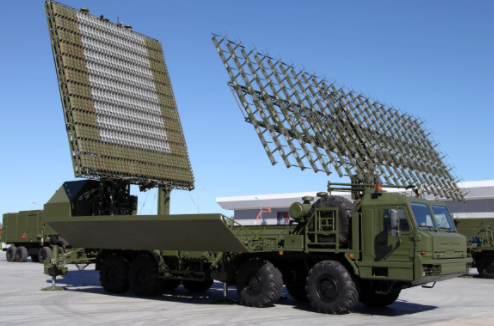
In secondo luogo, Anche i sistemi radar rappresentano uno dei campi di applicazione più importanti dei substrati militari. La tecnologia radar svolge un ruolo chiave nella raccolta di informazioni militari, sistemi di rilevamento e difesa del bersaglio. I substrati militari vengono utilizzati per produrre antenne radar, processori di segnale e sistemi di controllo per ottenere un'accurata identificazione e tracciamento del bersaglio.
Inoltre, i sistemi di navigazione militare sono anche inseparabili dal supporto di substrati militari. In ambienti di battaglia complessi e in continua evoluzione, il posizionamento e la navigazione accurati sono cruciali per il successo delle operazioni militari. I substrati militari vengono utilizzati per produrre varie apparecchiature di navigazione, come i sistemi di navigazione inerziale, Ricevitori GPS e software di navigazione, per garantire il posizionamento e il movimento precisi dei soldati e delle attrezzature.
Inoltre, lo sviluppo della tecnologia dei droni ha promosso anche l’applicazione di substrati militari. I droni svolgono un ruolo sempre più importante nella ricognizione, attacco mirato e raccolta di informazioni. I substrati militari vengono utilizzati per produrre sistemi di controllo di volo UAV, sensori e apparecchiature di comunicazione per ottenere il controllo remoto e il funzionamento intelligente.
Finalmente, i veicoli militari sono anche una delle applicazioni importanti dei substrati militari. Nella guerra moderna, i veicoli corazzati e i veicoli da combattimento svolgono un ruolo importante nel combattimento. I substrati militari vengono utilizzati per produrre sistemi di comunicazione per veicoli, sistemi di controllo del fuoco e apparecchiature di navigazione per migliorare l'efficacia del combattimento e l'efficienza del combattimento dei veicoli corazzati.
Generalmente, i substrati militari svolgono un ruolo insostituibile in varie attrezzature militari, e la loro affidabilità e prestazioni sono cruciali per il successo delle operazioni militari. Con il continuo sviluppo della tecnologia militare, i campi di applicazione dei substrati militari verranno ulteriormente ampliati e approfonditi, fornendo un sostegno più forte alla modernizzazione militare.
Quali sono i vantaggi del substrato militare?
Rispetto ai circuiti stampati tradizionali, i vantaggi dei substrati militari sono evidenti. Primo, i substrati militari hanno una maggiore affidabilità. Nelle applicazioni militari, le apparecchiature spesso devono funzionare a lungo in condizioni ambientali difficili, come l'alta temperatura, alta pressione, forte vibrazione, ecc. I circuiti tradizionali potrebbero guastarsi in tali condizioni, ma i materiali e le strutture progettati per i substrati militari possono resistere meglio a questi fattori avversi e garantire un funzionamento stabile a lungo termine delle apparecchiature.
In secondo luogo, i substrati militari hanno prestazioni migliori. Utilizzano materiali e processi di produzione avanzati per ottenere velocità di trasmissione più elevate, minore perdita di segnale, e migliori capacità anti-interferenza. Ciò consente alle apparecchiature militari di comunicare e trasmettere dati in modo affidabile in ambienti elettromagnetici complessi, garantire un comando di combattimento e uno scambio di informazioni efficienti.
Inoltre, i substrati militari hanno una vita utile più lunga. I circuiti stampati tradizionali possono danneggiarsi in un breve periodo di tempo a causa di fattori ambientali o dell'uso a lungo termine, che richiedono frequenti sostituzioni e riparazioni. I substrati militari utilizzano materiali e design durevoli in grado di resistere alla prova del tempo, ridurre la frequenza di manutenzione e sostituzione delle apparecchiature, e ridurre i costi complessivi di manutenzione.
Meglio di tutti, i substrati di livello militare sono in grado di funzionare in condizioni estreme e mantenere connessioni elettroniche stabili. Sia in ambienti difficili come i deserti, giungle, oceani o regioni polari, i substrati militari possono funzionare in modo affidabile e mantenere la stabilità e le prestazioni dell'attrezzatura. I loro collegamenti elettronici sono ben progettati per resistere efficacemente alle influenze esterne come le vibrazioni, umidità, nebbia salina, ecc., garantire l’accuratezza e l’affidabilità della trasmissione dei dati.
Per riassumere, i substrati militari svolgono un ruolo insostituibile in campo militare. La loro elevata affidabilità, prestazioni superiori e durata di servizio stabile a lungo termine forniscono una solida base tecnica e una garanzia per lo sviluppo e l'impiego di attrezzature militari. Con il continuo progresso della scienza e della tecnologia e la crescente domanda militare, i substrati militari continueranno a svolgere un ruolo importante, iniettare nuova vitalità nella sicurezza della difesa nazionale e nella modernizzazione militare.
Domande frequenti
Perché i substrati militari sono così importanti nelle applicazioni militari?
I substrati militari svolgono un ruolo chiave nelle applicazioni militari. Primo, forniscono un elevato grado di affidabilità e stabilità contro una varietà di condizioni ambientali difficili, come le temperature estreme, umidità, e vibrazioni. In secondo luogo, i substrati militari hanno eccellenti proprietà elettriche e possono supportare la trasmissione e l'elaborazione di dati ad alta frequenza e alta velocità per soddisfare le esigenze delle moderne comunicazioni militari, radar e sistemi di navigazione. Finalmente, la produzione e la progettazione di substrati militari di solito seguono rigorosi standard e specifiche militari, garantendo la qualità e l’affidabilità del prodotto, garantendo così il successo e la sicurezza delle operazioni militari.
In che modo i substrati militari sono diversi dai normali PCB?
Esistono evidenti differenze tra i substrati militari e i normali PCB nella selezione dei materiali, processi produttivi e requisiti prestazionali. Primo, i substrati militari di solito utilizzano alta qualità, resistente alle alte temperature, e materiali resistenti alla corrosione, come la poliimmide (PI) e politetrafluoroetilene (PTFE), per garantire stabilità a lungo termine in ambienti difficili. In secondo luogo, il processo di produzione dei substrati militari è più rigoroso e complesso, compreso un rigoroso controllo di qualità, test e verifica. Finalmente, i substrati militari sono progettati per prestare maggiore attenzione all'affidabilità e alla durata per far fronte all'uso in condizioni estreme.
Quanto dura il ciclo di produzione dei substrati militari?
Il tempo del ciclo di produzione dei substrati militari varia a seconda delle dimensioni e della complessità del progetto. In generale, il ciclo di produzione può richiedere da poche settimane ad alcuni mesi, dalla progettazione alla consegna della produzione. Questo periodo comprende più fasi come la verifica della progettazione, produzione del campione, e produzione di massa. Ogni fase richiede controlli e test rigorosi per garantire che il prodotto soddisfi gli standard e i requisiti militari.
È possibile personalizzare la progettazione dei substrati militari?
SÌ, i progetti di substrati militari possono spesso essere personalizzati per soddisfare esigenze applicative specifiche. I progettisti possono eseguire il layout del circuito, progettazione della struttura in laminato, e la selezione dei materiali in base ai requisiti del sistema militare per garantire che le prestazioni e l'affidabilità del prodotto finale soddisfino i requisiti. I progetti personalizzati possono adattarsi meglio a specifici scenari di applicazione militare e migliorare le prestazioni generali e l'affidabilità del sistema.