
Produttore di substrati BGA per CPU ultrasottili.”Produttore di substrati BGA per CPU ultrasottili” si riferisce ad un'azienda specializzata nella produzione di Ball Grid Array ultrasottili (BGA) substrati per CPU. Si concentrano sulla creazione di sottili, soluzioni di interconnessione ad alta densità che migliorano le prestazioni e l'efficienza dei dispositivi elettronici.
Nella moderna tecnologia elettronica, CPU ultrasottile Substrati BGA sono uno dei componenti chiave. Non solo eccellono in termini di prestazioni e dimensioni, promuovono inoltre la miniaturizzazione e l'alta efficienza dei dispositivi elettronici. Questo articolo esplorerà in dettaglio vari aspetti di questi substrati.
Che cosa sono i substrati BGA per CPU ultrasottili?
BGA CPU ultrasottile Substrati fare riferimento alla matrice di griglie a sfere ultrasottili (BGA) substrati utilizzati per collegare e supportare l'unità di elaborazione centrale (processore) e altri componenti elettronici. Questo substrato non trasporta solo la CPU, ma fornisce anche la trasmissione del segnale e la distribuzione dell'energia attraverso circuiti e cablaggi sofisticati. La sua caratteristica principale è lo spessore estremamente sottile, solitamente tra poche centinaia di micron e pochi millimetri.
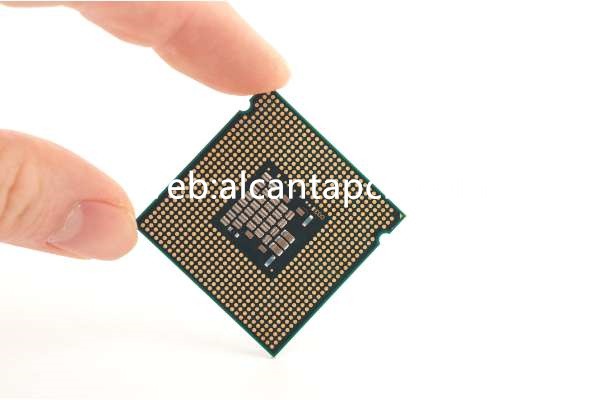
Questi substrati svolgono un ruolo vitale nei moderni dispositivi elettronici. Man mano che i requisiti prestazionali del dispositivo aumentano e le dimensioni diminuiscono, i supporti con spessori tradizionali non sono più in grado di soddisfare i requisiti di alta densità e alte prestazioni. I substrati ultrasottili possono fornire prestazioni elettriche ed efficienza di dissipazione del calore più elevate riducendo lo spessore e ottimizzando materiali e design.
La progettazione dei substrati BGA per CPU ultrasottili deve considerare molteplici fattori. Il primo è la selezione dei materiali, che solitamente utilizza resine organiche ad alta densità, ceramica e materiali metallici. Questi materiali non devono solo avere una buona conduttività elettrica, ma anche essere in grado di lavorare stabilmente in ambienti ad alta temperatura. Il secondo è la resistenza meccanica e la durata. È necessario un design ultrasottile per garantire che il substrato non si rompa a causa dello stress meccanico durante l'uso a lungo termine. Inoltre, anche le prestazioni elettriche sono fondamentali, e i progettisti devono garantire che il substrato possa fornire un percorso a bassa resistenza e alta conduttività per garantire la stabilità e l'affidabilità della trasmissione del segnale.
Nelle applicazioni pratiche, I substrati BGA CPU ultrasottili non solo migliorano le prestazioni del dispositivo, ma riducono anche significativamente le dimensioni e il peso del dispositivo. Ciò è particolarmente importante per i dispositivi portatili come gli smartphone, compresse, e laptop. Questi dispositivi hanno severi requisiti di portabilità e durata della batteria, e i substrati ultrasottili soddisfano queste esigenze grazie alle loro prestazioni e al loro design eccellenti.
Anche i substrati ultrasottili mostrano un grande potenziale nel calcolo ad alte prestazioni. Attrezzature come server, centri dati, e gli acceleratori di intelligenza artificiale devono elaborare grandi quantità di dati e compiti informatici complessi, e hanno requisiti estremamente elevati in termini di prestazioni elettriche e capacità di dissipazione del calore del substrato. I substrati BGA CPU ultrasottili possono migliorare efficacemente l'efficienza e l'affidabilità di questi dispositivi grazie alla sua elevata conduttività e all'elevata dissipazione del calore.
Inoltre, sta avanzando anche la produzione di substrati ultrasottili. Processi e tecnologie di produzione avanzati rendono la produzione di substrati ultrasottili più precisa ed efficiente. Per esempio, Le tecnologie di taglio laser e microlavorazione possono raggiungere una precisione di produzione estremamente elevata e garantire la consistenza e la stabilità della microstruttura del substrato. Allo stesso tempo, l'introduzione di linee di produzione automatizzate ha notevolmente migliorato l'efficienza e la resa della produzione, costi di produzione ridotti, e ha consentito l'utilizzo di substrati ultrasottili in più campi.
Generalmente, I substrati BGA per CPU ultrasottili rappresentano un'importante forza trainante per lo sviluppo della moderna tecnologia elettronica. Grazie al loro design unico e alle prestazioni eccellenti, questi substrati non solo migliorano le prestazioni complessive del dispositivo, ma promuovono anche la miniaturizzazione e le elevate prestazioni dei dispositivi elettronici. Con il continuo progresso e innovazione della tecnologia, i substrati ultrasottili avranno applicazioni più ampie e prestazioni più elevate in futuro.
Guida di riferimento alla progettazione dei substrati BGA per CPU ultrasottili
Progettazione di substrati BGA per CPU ultrasottili (substrati BGA CPU ultrasottili) è un compito complesso e delicato che richiede il rispetto di una serie di rigide linee guida e standard di progettazione. Queste linee guida non riguardano solo la selezione dei materiali, progettazione meccanica, progettazione elettrica, ecc., ma coinvolgono anche i processi produttivi, test e controllo qualità. Di seguito sono riportate alcune linee guida di riferimento chiave per la progettazione di substrati BGA per CPU ultrasottili.
Prima di tutto, la selezione dei materiali è la base del design. I substrati BGA per CPU ultrasottili utilizzano solitamente resine organiche ad alta densità (come FR-4), ceramica e materiali metallici. FR-4 è ampiamente utilizzato per le sue buone proprietà meccaniche e proprietà di isolamento elettrico. Materiali ceramici, con la loro eccellente conduttività termica e stabilità alle alte temperature, sono adatti per applicazioni con elevate prestazioni ed elevate esigenze di dissipazione del calore. Inoltre, al fine di migliorare le prestazioni conduttive del substrato, uno strato di rame o altri materiali conduttivi viene solitamente placcato sopra e all'interno del substrato.
In secondo luogo, lo spessore ed il numero di strati del supporto devono essere ottimizzati in base alle specifiche esigenze applicative. La chiave per un design ultrasottile è trovare il giusto equilibrio tra prestazioni e costi. Un substrato troppo sottile può comportare una resistenza meccanica insufficiente, mentre un substrato troppo spesso non può soddisfare le esigenze di miniaturizzazione e di integrazione ad alta densità. I progettisti devono determinare lo spessore e il numero di strati più adatti attraverso calcoli e simulazioni accurati.
In termini di layout e progettazione del cablaggio, un layout ragionevole può ridurre le interferenze del segnale e migliorare le prestazioni generali del sistema. I progettisti devono garantire che le lunghezze del percorso del segnale siano ridotte al minimo ed evitare curve e crossover non necessari. Inoltre, è inoltre necessario considerare la progettazione dei cavi di alimentazione e di terra per garantire la stabilità dell'alimentazione e la capacità anti-interferenza del sistema. Per l'elaborazione del segnale ad alta frequenza, i progettisti devono prestare particolare attenzione all'adattamento dell'impedenza e alla progettazione della schermatura delle tracce per ridurre la riflessione del segnale e le perdite di radiazioni.
Per garantire l'accuratezza e l'affidabilità dei progetti, i progettisti in genere utilizzano strumenti di progettazione avanzati e software di simulazione. Questi strumenti possono simulare il comportamento dei substrati in diverse condizioni operative, aiutare i progettisti a identificare e risolvere potenziali problemi. Per esempio, un software di simulazione elettromagnetica può simulare la trasmissione di segnali su un substrato e analizzare possibili interferenze e perdite. Il software di simulazione termica può simulare la distribuzione del calore del substrato e aiutare i progettisti a ottimizzare la progettazione della dissipazione del calore.
Dopo che la progettazione è stata completata, sono necessarie una serie di prove e verifiche per garantire che le effettive prestazioni del supporto soddisfino i requisiti di progetto. I metodi di test comuni includono test delle prestazioni elettriche, prove di resistenza meccanica, prove di ciclo termico, ecc. Questi test possono identificare potenziali problemi con il substrato nell'uso effettivo e garantire che possa funzionare stabilmente in varie condizioni operative.
Finalmente, Anche il controllo di qualità è una parte importante del processo di progettazione. Il rigoroso controllo di qualità garantisce le prestazioni e l'affidabilità di ciascun substrato. I progettisti devono sviluppare standard e processi dettagliati di controllo della qualità, compresa l'ispezione dei materiali, controllo del processo produttivo, ispezione del prodotto finito, ecc. Attraverso un controllo di qualità completo, il tasso di difetti di produzione può essere notevolmente ridotto e la qualità complessiva del prodotto può essere migliorata.
Insomma, la progettazione di substrati BGA per CPU ultrasottili è un compito complesso che richiede una considerazione completa di molteplici fattori. Dalla selezione dei materiali, dalla progettazione meccanica alle prestazioni elettriche e alla gestione termica, ogni collegamento richiede una progettazione meticolosa e un controllo rigoroso. Seguendo una serie di linee guida e standard di progettazione, i progettisti possono sviluppare substrati ultrasottili con prestazioni eccellenti ed elevata affidabilità, fornendo un forte sostegno allo sviluppo di moderni dispositivi elettronici.
Quale materiale viene utilizzato nei substrati BGA per CPU ultrasottili?
I substrati BGA per CPU ultrasottili utilizzano una varietà di materiali ad alte prestazioni. La selezione e l'applicazione di questi materiali hanno un impatto cruciale sulle prestazioni, affidabilità e processo di produzione del substrato. Di seguito sono riportati alcuni materiali comunemente utilizzati e le loro applicazioni e caratteristiche nei substrati BGA per CPU ultrasottili.
Prima di tutto, i materiali in resina organica come FR-4 sono i materiali di substrato più comuni. FR-4 è un materiale in resina epossidica rinforzata con fibra di vetro con eccellente resistenza meccanica e proprietà di isolamento elettrico. Non è solo resistente al calore e alla corrosione chimica, ma fornisce anche prestazioni elettriche stabili, quindi è ampiamente utilizzato nella produzione di substrati di vari prodotti elettronici. Per substrati BGA CPU ultrasottili, FR-4 può ridurre ulteriormente lo spessore mantenendo le sue prestazioni meccaniche ed elettriche attraverso una formulazione e un processo migliorati.
I materiali ceramici sono anche una scelta importante nei substrati BGA per CPU ultrasottili. I materiali ceramici comunemente usati includono l'ossido di alluminio (Al2O3) e nitruro di alluminio (Aln). Questi materiali hanno proprietà di conduttività termica e di isolamento elettrico estremamente elevate, e può funzionare stabilmente in ambienti ad alta temperatura. L'ossido di alluminio ha buone proprietà meccaniche ed è economico, mentre il nitruro di alluminio è adatto per applicazioni più impegnative grazie alla sua maggiore conduttività termica e proprietà elettriche. Nella progettazione di substrati ultrasottili, i materiali ceramici possono migliorare efficacemente la capacità di dissipazione del calore del substrato e garantire il funzionamento stabile della CPU.
Materiali metallici, come rame e leghe di rame, sono utilizzati principalmente per strati conduttivi e strati di dissipazione del calore nei substrati BGA per CPU ultrasottili. Il rame ha un'eccellente conduttività elettrica e termica e può condurre efficacemente segnali elettrici e dissipare il calore. Nella produzione di substrati, I processi di elettroplaccatura e incisione vengono spesso utilizzati per formare modelli conduttivi precisi sul e all'interno del substrato. Per applicazioni ad alte prestazioni, le leghe di rame possono essere utilizzate anche per migliorare la resistenza meccanica e la resistenza alla fatica del rame attraverso l'introduzione di elementi di lega.
Negli ultimi anni, nuovi materiali come il grafene hanno iniziato ad essere utilizzati anche nei substrati BGA per CPU ultrasottili. Il grafene è un materiale bidimensionale composto da un singolo strato di atomi di carbonio che ha una conduttività elettrica estremamente elevata, conduttività termica e resistenza meccanica. Le sue proprietà fisiche e chimiche uniche conferiscono al grafene un grande potenziale di applicazione in substrati ultrasottili. Per esempio, aggiungendo grafene al materiale del substrato, la conduttività termica e le prestazioni elettriche del substrato possono essere notevolmente migliorate, lo spessore può essere ridotto, e la resistenza meccanica può essere migliorata.
Inoltre, al fine di migliorare ulteriormente le prestazioni e l'affidabilità del substrato, i progettisti utilizzeranno una varietà di materiali e strutture compositi. Per esempio, combinando un materiale di resina organica con una polvere ceramica, si può ottenere un substrato che presenta sia la flessibilità del materiale organico che l'elevata conducibilità termica del materiale ceramico. Allo stesso modo, attraverso la progettazione strutturale multistrato, i vantaggi di diversi materiali possono essere integrati nel substrato, come l'utilizzo di materiali altamente conduttivi nello strato esterno e materiali ad alta resistenza nello strato intermedio, ottenendo così il miglior equilibrio di prestazioni.
Quando si selezionano e si applicano questi materiali, è necessario considerare molteplici fattori, comprese le proprietà meccaniche del materiale, proprietà elettriche, conduttività termica, costo, e tecniche di lavorazione. Per esempio, per applicazioni che richiedono elevata conduttività termica e affidabilità, quali l'elaborazione ad alte prestazioni e i data center, possono essere preferiti materiali ad alte prestazioni come ceramica e grafene. Per l'elettronica di consumo, puoi considerare maggiormente i costi e la lavorabilità e scegliere materiali in resina organica ottimizzati.
Complessivamente, la selezione dei materiali per i substrati BGA per CPU ultrasottili è un processo complesso e critico. Selezionando e combinando razionalmente diversi materiali ad alte prestazioni, il substrato può raggiungere le migliori prestazioni in termini di resistenza meccanica, prestazioni elettriche, e gestione termica, soddisfacendo così le esigenze di vari dispositivi elettronici di fascia alta.
Di quali dimensioni sono i substrati BGA per CPU ultrasottili?
Le dimensioni e la forma dei substrati BGA per CPU ultrasottili (substrati BGA CPU ultrasottili) variano a seconda delle esigenze applicative. Lo spessore, la lunghezza e la larghezza di questi substrati devono essere personalizzate in base al pacchetto CPU specifico e all'ambiente applicativo. Quella che segue è una discussione dettagliata della progettazione delle dimensioni dei substrati BGA per CPU ultrasottili.
Primo, lo spessore del substrato è un parametro critico. Tipicamente, lo spessore dei substrati BGA per CPU ultrasottili varia da poche centinaia di micron a pochi millimetri. La selezione dello spessore specifico dipende da una varietà di fattori, compresa la resistenza meccanica, proprietà elettriche e capacità di dissipazione del calore. Per dispositivi portatili, come smartphone e tablet, i progettisti spesso tendono a scegliere substrati quanto più sottili possibile per ridurre le dimensioni e il peso complessivi del dispositivo. Tuttavia, un substrato troppo sottile può comportare una resistenza meccanica insufficiente e può facilmente piegarsi o rompersi durante l'uso. Perciò, durante il processo di progettazione, è necessario trovare il miglior punto di equilibrio tra spessore e resistenza attraverso calcoli e simulazioni accurati.
Dopo aver determinato lo spessore del substrato, anche la lunghezza e la larghezza del supporto devono essere progettate in base all'applicazione specifica. Dimensioni diverse del package della CPU e requisiti di layout influiranno sulle dimensioni complessive del substrato. In generale, la lunghezza e la larghezza del substrato dovrebbero essere in grado di coprire completamente il pacchetto CPU e altri componenti elettronici necessari, e riservare spazio adeguato per il cablaggio del segnale e la distribuzione dell'alimentazione. Inoltre, inoltre, la forma del substrato deve corrispondere al design esterno del dispositivo per garantire una perfetta aderenza con gli altri componenti durante l'assemblaggio.
Al fine di migliorare la flessibilità e l’adattabilità della progettazione, la progettazione delle dimensioni dei substrati BGA CPU ultrasottili solitamente adotta un approccio modulare e personalizzato. Il design modulare consente ai progettisti di selezionare e combinare moduli battiscopa di diverse dimensioni e forme in base alle diverse esigenze applicative per ottenere prestazioni ottimali ed efficienza economica. La progettazione personalizzata si basa sulle esigenze speciali di progetti specifici, con dimensioni e layout specializzati per soddisfare i requisiti di applicazioni specifiche.
Anche la densità del cablaggio è un fattore importante da considerare nel dimensionamento. Poiché la funzionalità dei dispositivi elettronici continua ad aumentare, lo stesso vale per il numero di componenti elettronici e di punti di connessione sul substrato. I progettisti devono disporre ragionevolmente questi componenti e punti di connessione su un'area limitata del substrato per garantire la stabilità della trasmissione del segnale e l'affidabilità della distribuzione dell'energia. A tal fine, è necessario utilizzare tecnologie di cablaggio avanzate e strumenti di progettazione per migliorare la densità del cablaggio e l'integrazione del substrato ottimizzando i percorsi di cablaggio e le connessioni tra gli strati.
Inoltre, la progettazione dimensionale del substrato deve considerare anche il processo di produzione e i costi. Una progettazione dimensionale eccessivamente complessa e precisa può aumentare la difficoltà e i costi di produzione, incidendo sull’economia del prodotto finale. I progettisti devono trovare il miglior equilibrio tra prestazioni e costi attraverso l'ottimizzazione dei processi e il controllo dei costi. Per esempio, durante il processo di progettazione, è possibile utilizzare dimensioni e modelli standardizzati per ridurre la complessità e la variabilità del processo di produzione e migliorare l'efficienza e la resa della produzione.
Nelle applicazioni reali, la progettazione dimensionale dei substrati BGA per CPU ultrasottili richiede ancora una serie di test e verifiche. Attraverso la produzione e il test di campioni fisici, è possibile verificare la fattibilità e l'affidabilità del progetto, e potenziali problemi possono essere scoperti e risolti. I metodi di prova comuni includono test di resistenza meccanica, Test delle prestazioni elettriche, prove di ciclo termico, ecc. Questi test possono garantire le prestazioni e l'affidabilità del substrato nell'uso reale e soddisfare le esigenze di varie condizioni operative.
Generalmente, la progettazione delle dimensioni dei substrati BGA per CPU ultrasottili è un processo complesso e critico che richiede una considerazione completa di molteplici fattori come le prestazioni meccaniche, prestazioni elettriche, capacità di dissipazione del calore, processo produttivo e costi. Attraverso un design di dimensioni ragionevoli, è possibile ottenere l'equilibrio ottimale tra prestazioni ed economia del substrato per soddisfare le esigenze di vari dispositivi elettronici di fascia alta.
Il processo di produzione di substrati BGA per CPU ultrasottili
Il processo di produzione dei substrati BGA per CPU ultrasottili (Substrato BGA CPU ultrasottile) è complesso e preciso e richiede più processi per essere completato. Ogni processo richiede un controllo e un'ottimizzazione rigorosi per garantire la qualità e le prestazioni del prodotto finale. Quella che segue è una descrizione dettagliata del processo di produzione dei substrati BGA per CPU ultrasottili.
Il primo è la selezione e la preparazione dei materiali di substrato. Secondo i requisiti di progettazione, selezionare la resina organica appropriata, materiali ceramici o metallici. La scelta del materiale deve considerare non solo le sue proprietà meccaniche ed elettriche, ma anche le prestazioni e i costi di elaborazione. Dopo aver selezionato il materiale, sono necessari il taglio e la modellatura per tagliare il grande pezzo di materiale in un substrato grezzo della dimensione e forma specificate. Questo processo utilizza in genere apparecchiature di taglio ad alta precisione, come macchine da taglio laser o macchine da taglio CNC, per garantire l'accuratezza e la coerenza delle dimensioni del substrato.
Poi arriva il processo di laminazione e laminazione. Per progetti di substrati multistrato, più strati di materiali devono essere impilati insieme e pressati ad alta temperatura e alta pressione per formare un substrato composito con percorsi conduttivi multistrato. Durante il processo di laminazione, temperatura, la pressione e il tempo devono essere strettamente controllati per garantire un legame stretto e una connessione elettrica tra i vari strati di materiali. Questo processo viene solitamente eseguito in un ambiente sotto vuoto per evitare l'introduzione di aria e impurità, che potrebbero influire sulle prestazioni e sull'affidabilità del substrato.
Una volta completata la laminazione, il substrato deve essere forato ed elettrolitico. Il processo di perforazione viene utilizzato per creare percorsi di collegamento elettrico, come fori passanti e fori ciechi, sul substrato. Questo processo utilizza in genere attrezzature di perforazione ad alta precisione, sia mediante foratura meccanica che foratura laser, per garantire l'accuratezza della posizione e della dimensione dei fori. Il processo di galvanizzazione riveste uno strato di rame o altri materiali conduttivi sulla superficie del substrato e sulle pareti dei fori per formare percorsi di connessione elettrica. Questo processo deve essere eseguito rispettando parametri di processo rigorosi per garantire lo spessore e l'uniformità del rivestimento.
Seguono i processi di fotolitografia e incisione. Il processo di fotolitografia utilizza la tecnologia della fotolitografia per formare il modello circuitale richiesto sulla superficie del substrato. Primo, uno strato di materiale fotosensibile è rivestito sulla superficie del substrato, e poi il disegno viene esposto sul materiale fotosensibile attraverso una fotomaschera. Dopo l'esposizione, la porzione fotosensibile del materiale fotosensibile viene dissolta dallo sviluppatore, lasciando il modello desiderato. Il processo di incisione utilizza un agente chimico per rimuovere il materiale in eccesso, lasciando un percorso conduttivo protetto dal materiale fotosensibile. Questo processo richiede un controllo rigoroso del tempo di attacco e della concentrazione dell'agente mordenzante per garantire l'accuratezza del modello e l'integrità del percorso conduttivo.
Dopo che la fotolitografia e l'incisione sono state completate, anche il supporto necessita di essere sottoposto ad una serie di pulizie, processi di test e confezionamento. Il processo di pulizia viene utilizzato per rimuovere residui e contaminanti sulla superficie del substrato per garantire la pulizia e le prestazioni del substrato. Il processo di test verifica le prestazioni e l'affidabilità del substrato attraverso test delle prestazioni elettriche, prove di resistenza meccanica, test del ciclo termico e altri metodi. Il processo di confezionamento assembla insieme il substrato e altri componenti elettronici per formare un modulo o dispositivo elettronico completo.
Al fine di garantire la stabilità del processo di produzione e la qualità dei prodotti, i produttori solitamente adottano apparecchiature di produzione e sistemi di controllo dei processi avanzati. Per esempio, le linee di produzione automatizzate possono migliorare l'efficienza e la coerenza della produzione e ridurre gli errori e la variabilità causati dalle operazioni manuali. Il sistema di rilevamento e monitoraggio online può monitorare i parametri chiave del processo di produzione in tempo reale, scoprire e correggere potenziali problemi in modo tempestivo, e garantire la qualità e la stabilità di ogni processo.
Inoltre, l'ottimizzazione e il miglioramento dei processi produttivi sono anche modi importanti per migliorare la qualità del prodotto e ridurre i costi di produzione. Attraverso il miglioramento continuo dei processi e l’innovazione tecnologica, l’efficienza produttiva e le prestazioni del prodotto possono essere migliorate, inoltre è possibile ridurre i costi di produzione e il tasso di scarto. Per esempio, utilizzando materiali e processi più efficienti, ottimizzazione dei flussi e dei parametri di processo, e l’applicazione di tecnologie avanzate di rilevamento e controllo sono tutti mezzi importanti per ottimizzare il processo di produzione.
Generalmente, il processo di produzione dei substrati BGA per CPU ultrasottili è complesso e preciso, richiedendo una considerazione completa della selezione dei materiali, controllo del processo, applicazione dell'attrezzatura, e gestione della qualità. Attraverso un controllo rigoroso e un'ottimizzazione continua, è possibile garantire la qualità e le prestazioni del prodotto finale per soddisfare le esigenze di varie apparecchiature elettroniche di fascia alta.
L'area di applicazione dei substrati BGA per CPU ultrasottili
Substrati BGA CPU ultrasottili (substrati BGA CPU ultrasottili) avere una vasta gamma di applicazioni. Le loro eccellenti prestazioni e il design ultrasottile li rendono ampiamente utilizzati nelle moderne apparecchiature elettroniche. Di seguito sono riportati alcuni principali ambiti applicativi ed esempi specifici.
Primo, I substrati BGA CPU ultrasottili sono ampiamente utilizzati nei dispositivi elettronici portatili come smartphone e tablet. Questi dispositivi hanno rigide restrizioni su dimensioni e peso. I substrati ultrasottili possono ridurre significativamente lo spessore e il peso complessivi del dispositivo, migliorandone al tempo stesso le prestazioni e l'affidabilità. Negli smartphone, substrati ultrasottili vengono utilizzati per trasportare e collegare le CPU, GPU e altri chip chiave, fornendo un'efficiente trasmissione del segnale e distribuzione dell'energia. Nei tablet, il substrato ultrasottile aiuta il dispositivo a rimanere fresco durante il funzionamento ad alte prestazioni e prolunga la durata del dispositivo grazie alle sue eccellenti prestazioni di dissipazione del calore.
Inoltre, I substrati BGA CPU ultrasottili vengono utilizzati anche in dispositivi informatici portatili come computer notebook e ultrabook. Mentre questi dispositivi perseguono prestazioni elevate, hanno anche severi requisiti di portabilità e durata della batteria. Grazie alla sua elevata conduttività e all'elevata dissipazione del calore, i substrati ultrasottili possono ridurre lo spessore e il peso del dispositivo garantendone al tempo stesso le prestazioni, e migliorare l'esperienza dell'utente. Nei computer notebook ad alte prestazioni, substrati ultrasottili vengono utilizzati per collegare e supportare componenti chiave come la CPU, GPU e memoria, fornendo soluzioni efficienti di distribuzione dell'energia e di raffreddamento.
Oltre ai dispositivi portatili, I substrati BGA per CPU ultrasottili sono ampiamente utilizzati anche nel campo del calcolo ad alte prestazioni. Per esempio, server e data center devono elaborare grandi quantità di dati e attività informatiche complesse, e hanno requisiti estremamente elevati in termini di prestazioni elettriche e capacità di dissipazione del calore del substrato. I substrati BGA CPU ultrasottili possono migliorare l'efficienza e la stabilità del calcolo nei server e nei data center grazie alle loro eccellenti prestazioni elettriche e all'elevata conduttività termica. Negli acceleratori di intelligenza artificiale e nei computer ad alte prestazioni, i substrati ultrasottili forniscono un'efficiente trasmissione del segnale e distribuzione dell'energia attraverso il cablaggio ad alta densità e l'elevata conduttività, supportare compiti complessi di calcolo ed elaborazione dati.
I substrati BGA CPU ultrasottili sono ampiamente utilizzati anche nei dispositivi indossabili e nei dispositivi IoT. Questi dispositivi sono in genere piccoli e leggeri e hanno requisiti rigorosi in termini di dimensioni e prestazioni del substrato. I substrati ultrasottili possono soddisfare le esigenze dei dispositivi indossabili e IoT grazie al design miniaturizzato e ai materiali ad alte prestazioni. Negli orologi intelligenti, dispositivi di monitoraggio della salute e dispositivi domestici intelligenti, i substrati ultrasottili forniscono un'efficiente trasmissione del segnale e gestione dell'energia grazie alla loro elevata integrazione e alta affidabilità, supportare l'implementazione di varie funzioni intelligenti.
Inoltre, I substrati BGA per CPU ultrasottili sono ampiamente utilizzati anche nei campi dell'elettronica automobilistica e del controllo industriale. Nell'elettronica automobilistica, substrati ultrasottili vengono utilizzati per collegare e supportare vari sensori, controllori e moduli di comunicazione, fornire un'efficiente trasmissione del segnale e distribuzione dell'energia, e supportare funzioni avanzate come la guida autonoma e l’Internet dei veicoli. Nelle apparecchiature di controllo industriale, i substrati ultrasottili supportano complesse attività di controllo ed elaborazione dei dati, migliorare l’efficienza produttiva e la stabilità del sistema grazie alla loro elevata affidabilità e prestazioni.
Generalmente, I substrati BGA CPU ultrasottili sono ampiamente utilizzati nei moderni dispositivi elettronici. Le loro eccellenti prestazioni e il design ultrasottile li rendono ampiamente utilizzati negli smartphone, compresse, computer portatili, apparecchiature informatiche ad alte prestazioni, dispositivi indossabili, È stato ampiamente utilizzato in campi come i dispositivi IoT, elettronica automobilistica e controllo industriale. Attraverso la continua innovazione tecnologica e l’espansione delle applicazioni, I substrati BGA CPU ultrasottili svolgeranno un ruolo più importante in futuro e promuoveranno il progresso e lo sviluppo della tecnologia elettronica.
Quali sono i vantaggi dei substrati BGA per CPU ultrasottili?
Substrati BGA CPU ultrasottili (substrati BGA CPU ultrasottili) presentano molti vantaggi grazie al loro design unico e alle prestazioni eccellenti. Ecco uno sguardo più da vicino ai suoi principali vantaggi.
Primo, uno dei maggiori vantaggi dei substrati BGA per CPU ultrasottili è il loro design ultrasottile. Questo design può ridurre significativamente le dimensioni e il peso complessivi dei dispositivi elettronici, cosa particolarmente importante per i dispositivi portatili come gli smartphone, tablet e laptop. Come consumatori’ le richieste di portabilità e leggerezza continuano ad aumentare, i substrati ultrasottili aiutano i produttori di apparecchiature a realizzare prodotti più leggeri e sottili attraverso i loro design miniaturizzati, migliorando così la competitività sul mercato.
In secondo luogo, I substrati BGA per CPU ultrasottili utilizzano solitamente materiali ad alte prestazioni con eccellenti proprietà di conduttività elettrica e dissipazione del calore. Questi materiali includono resine organiche ad alta densità, ceramiche e materiali metallici come rame e leghe di rame. I materiali altamente conduttivi possono fornire percorsi elettrici a bassa resistenza e alta conduttività per garantire la stabilità e l'affidabilità della trasmissione del segnale. I materiali ad alta conduttività termica possono dissipare efficacemente il calore, ridurre la temperatura operativa dei componenti elettronici, e prolungare la durata delle apparecchiature. Nelle applicazioni ad alte prestazioni, come server e data center, l'elevata prestazione di dissipazione del calore dei substrati ultrasottili è particolarmente importante. Può aiutare le apparecchiature a mantenere basse temperature durante le operazioni a carico elevato e migliorare la stabilità e l'efficienza del sistema.
Inoltre, Anche la capacità di cablaggio ad alta densità dei substrati BGA CPU ultrasottili rappresenta un grande vantaggio. I substrati ultrasottili possono ottenere layout di circuiti e connessioni ad alta densità su un'area di substrato limitata attraverso tecnologie di cablaggio e strumenti di progettazione avanzati. Ciò non solo consente l'integrazione di più moduli funzionali e componenti elettronici, migliorare l’integrazione e la funzionalità del sistema, ma ottimizza anche il percorso del segnale e riduce l'interferenza e il ritardo del segnale. Negli smartphone, tablet e dispositivi informatici ad alte prestazioni, le funzionalità di cablaggio ad alta densità possono migliorare significativamente le prestazioni del sistema e l'esperienza dell'utente.
I substrati ultrasottili hanno anche buone proprietà meccaniche e durabilità. Nonostante il suo spessore sottile, selezionando materiali ad alta resistenza e ottimizzando la progettazione strutturale, il substrato ultrasottile può comunque fornire una resistenza meccanica sufficiente per resistere a varie sollecitazioni e vibrazioni meccaniche. Ciò garantisce che il substrato non venga facilmente danneggiato durante l'uso a lungo termine e mantenga un funzionamento stabile dell'apparecchiatura. In alcune applicazioni speciali, come l'elettronica automobilistica e le apparecchiature di controllo industriale, le proprietà meccaniche e la durabilità dei substrati ultrasottili sono particolarmente importanti, che può migliorare l'affidabilità e la durata del sistema.
Il rapporto costo-efficacia è anche uno dei principali vantaggi dei substrati BGA per CPU ultrasottili. Sebbene il processo di produzione di substrati ultrasottili sia relativamente complesso, con il continuo progresso della tecnologia e l’espansione della scala di produzione, i suoi costi di produzione stanno gradualmente diminuendo. Ottimizzando la selezione dei materiali, migliorare i processi produttivi e migliorare l’efficienza produttiva, i produttori possono ridurre i costi di produzione e migliorare l’economia del prodotto. Ciò consente la promozione e l'applicazione di substrati ultrasottili in più campi di applicazione, promuovendo così la divulgazione e lo sviluppo della tecnologia elettronica.
Finalmente, anche la flessibilità applicativa dei substrati BGA per CPU ultrasottili è uno dei suoi vantaggi. Attraverso una progettazione modulare e personalizzata, i substrati ultrasottili possono adattarsi a diverse esigenze applicative e ambienti. Che si tratti di smartphone, compresse, computer portatili, server, centri dati, dispositivi indossabili, Dispositivi IoT, elettronica automobilistica e apparecchiature di controllo industriale, i substrati ultrasottili possono fornire le migliori prestazioni e soluzioni.
Complessivamente, I substrati BGA per CPU ultrasottili presentano molti vantaggi, compreso il design ultrasottile, materiali ad alte prestazioni, capacità di cablaggio ad alta densità, buone proprietà meccaniche e durabilità, efficienza dei costi e flessibilità applicativa. Questi vantaggi gli conferiscono ampie prospettive di applicazione e potenziale di mercato nelle moderne apparecchiature elettroniche, promuovere il progresso e lo sviluppo continui della tecnologia elettronica.
Domande frequenti
1. Qual è lo spessore tipico dei substrati BGA per CPU ultrasottili?
Gli spessori tipici vanno da poche centinaia di micron a pochi millimetri, a seconda delle esigenze applicative e dei requisiti di progettazione. Per dispositivi portatili come smartphone e tablet, spesso viene scelto il substrato più sottile possibile per ridurre le dimensioni e il peso complessivi del dispositivo.
2. Quali sono i materiali principali dei substrati ultrasottili?
I materiali principali includono resine organiche (come FR-4), ceramica e vari materiali metallici, come rame e leghe di rame. A volte vengono aggiunti nuovi materiali come il grafene per migliorare ulteriormente le prestazioni del substrato.
3. È difficile produrre substrati BGA per CPU ultrasottili?
La produzione è difficile e richiede molteplici processi di precisione, compresa la selezione e la preparazione del materiale, laminazione e laminazione, foratura e galvanica, fotolitografia e incisione, pulizia e test, confezione, ecc. Ogni processo richiede un controllo e un'ottimizzazione rigorosi per garantire la qualità e le prestazioni del prodotto finale.
4. In quali campi vengono utilizzati principalmente i substrati ultrasottili?
Utilizzato principalmente negli smartphone, compresse, computer portatili, apparecchiature informatiche ad alte prestazioni, dispositivi indossabili, Apparecchiature per l'Internet delle cose, elettronica automobilistica e apparecchiature di controllo industriale, ecc. Queste applicazioni impongono requisiti severi alle prestazioni del substrato, dimensioni e affidabilità.