
الشركة المصنعة لركائز وحدة المعالجة المركزية. كشركة رائدة في تصنيع ركائز وحدة المعالجة المركزية, نحن متخصصون في تقديم جودة عالية, ركائز عالية الأداء ضرورية للحوسبة الحديثة. تضمن عمليات التصنيع المتقدمة لدينا إدارة حرارية مثالية, سلامة الإشارة, والتصغير, تلبية المتطلبات الصارمة لوحدات المعالجة المركزية المتطورة. مع الالتزام بالابتكار والدقة, نحن نقدم ركائز تعمل على تشغيل الجيل القادم من المعالجات, قيادة التقدم في تكنولوجيا الحوسبة.
تعد ركائز وحدة المعالجة المركزية (CPU) عنصرًا حاسمًا في بناء المعالجات الحديثة. تعمل هذه الركائز بمثابة الأساس الذي يتم تركيب شرائح وحدة المعالجة المركزية عليه, توفير التوصيلات الكهربائية بين وحدة المعالجة المركزية واللوحة الأم. إنها تلعب دورًا حيويًا في ضمان الأداء الموثوق لوحدات المعالجة المركزية في التطبيقات المختلفة, من أجهزة الكمبيوتر الشخصية والخوادم إلى الأجهزة المحمولة والأنظمة المدمجة.
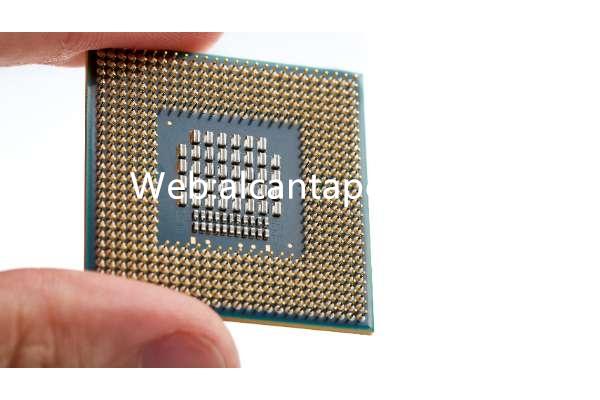
ما هي الركيزة وحدة المعالجة المركزية?
ركيزة وحدة المعالجة المركزية هي نوع من التغليف المادة التي تشكل الطبقة الأساسية لوحدات المعالجة المركزية (وحدات المعالجة المركزية). وتتكون عادةً من لوحة دوائر مطبوعة متعددة الطبقات (ثنائي الفينيل متعدد الكلور) مصمم لدعم الأسلاك والوصلات المعقدة اللازمة لتشغيل وحدة المعالجة المركزية. لا توفر الركيزة الدعم الميكانيكي لوحدة المعالجة المركزية فحسب، بل تسهل أيضًا الاتصال الكهربائي والإدارة الحرارية. تم تصميمه للتعامل مع الإشارات عالية التردد, توزيع الطاقة, وتبديد الحرارة, التأكد من أن وحدة المعالجة المركزية تعمل بكفاءة وموثوقية.
الدليل المرجعي لتصميم ركيزة وحدة المعالجة المركزية
يتضمن تصميم ركيزة وحدة المعالجة المركزية عدة اعتبارات مهمة لضمان الأداء الأمثل. توضح الأقسام التالية الجوانب الرئيسية لتصميم ركيزة وحدة المعالجة المركزية.
يعد اختيار المواد أمرًا بالغ الأهمية لأداء ركائز وحدة المعالجة المركزية. تشمل المواد الرئيسية:
مواد الركيزة: مواد عالية الأداء مثل راتينج BT, ABF (فيلم بناء أجينوموتو), ويتم استخدام الركائز المملوءة بالسيراميك بشكل شائع نظرًا لخصائصها الكهربائية الممتازة وثباتها الحراري.
احباط النحاس: يتم استخدام النحاس عالي النقاء للآثار والطائرات الموصلة, توفير الموصلية الكهربائية الممتازة والموثوقية.
التحضير المسبق والتصفيح: يتم استخدام مواد مسبقة التحضير ومواد صفائحية عالية الأداء لربط الطبقات معًا, تقدم خسارة عازلة منخفضة والاستقرار الحراري العالي.
طبقة المكدس
تم تصميم مكدس الطبقة لدعم المتطلبات المعقدة لوحدة المعالجة المركزية مع الحفاظ على عامل الشكل المضغوط:
طبقات الإشارة: تُستخدم طبقات إشارة متعددة لتوجيه الإشارات عالية التردد. تم تصميم هذه الطبقات بممانعة يمكن التحكم فيها لضمان الحد الأدنى من فقدان الإشارة وسلامة الإشارة العالية.
طائرات الطاقة والأرضية: توفر الطاقة المخصصة والطائرات الأرضية مراجع جهد ثابتة وتقلل من الضوضاء, وهو أمر بالغ الأهمية للحفاظ على سلامة الإشارة في التطبيقات عالية التردد.
طبقات الإدارة الحرارية: طبقات إدارة حرارية رقيقة, مثل المنافذ الحرارية وموزعات الحرارة, تم دمجها لتبديد الحرارة الناتجة عن وحدة المعالجة المركزية, ضمان أداء موثوق.
يجب معالجة العديد من الاعتبارات الرئيسية خلال مرحلة التصميم:
سلامة الإشارة: يتم الحفاظ على سلامة الإشارة العالية من خلال المعاوقة الخاضعة للرقابة, توجيه الزوج التفاضلي, والتقليل من التأثيرات الطفيلية. يجب أن يضمن التصميم أن تكون مسارات الإشارة قصيرة ومباشرة قدر الإمكان.
توزيع الطاقة: يتم ضمان التوزيع الفعال للطاقة من خلال طائرات الطاقة المخصصة, تقليل قطرات الجهد وضمان توصيل الطاقة بشكل مستقر إلى وحدة المعالجة المركزية.
الإدارة الحرارية: تقنيات الإدارة الحرارية الفعالة, مثل المنافذ الحرارية وموزعات الحرارة, منع ارتفاع درجة الحرارة وضمان الأداء المتسق.
الاستقرار الميكانيكي: يجب أن توفر اللوحة دعمًا ميكانيكيًا قويًا لتحمل ضغوط المناولة والتشغيل في البيئات عالية التردد.
مصداقية: يتم ضمان الموثوقية على المدى الطويل من خلال استخدام مواد عالية الجودة وعمليات تصنيع دقيقة, منع مشاكل مثل التصفيح والتزييف.
ما هي المواد المستخدمة في ركائز وحدة المعالجة المركزية?
يتم اختيار المواد المستخدمة في ركائز وحدة المعالجة المركزية وفقًا لمواصفاتها الكهربائية, حراري, والخصائص الميكانيكية:
ركائز عالية الأداء: مواد مثل راتينج BT, ABF, ويتم استخدام الركائز المملوءة بالسيراميك نظرًا لخصائصها الكهربائية الممتازة وثباتها الحراري.
احباط النحاس: يتم استخدام النحاس عالي النقاء للآثار والطائرات الموصلة, توفير الموصلية الكهربائية الممتازة والموثوقية.
التحضير المسبق والتصفيح: يتم استخدام مواد مسبقة التحضير ومواد صفائحية عالية الأداء لربط الطبقات معًا, تقدم خسارة عازلة منخفضة والاستقرار الحراري العالي.
مواد لاصقة منخفضة الخسارة: مواد لاصقة متخصصة تحافظ على الأداء الكهربائي مع ربط الطبقات ببعضها البعض.
ما هو حجم ركائز وحدة المعالجة المركزية?
يختلف حجم ركائز وحدة المعالجة المركزية وفقًا للتطبيق ومتطلبات التصميم المحددة:
سماكة: يمكن أن يتراوح سمك ركائز وحدة المعالجة المركزية من 0.5 ملم إلى عدة ملليمترات, اعتمادًا على عدد الطبقات ومتطلبات الإدارة الحرارية.
أبعاد: يتم تحديد طول وعرض الركائز حسب حجم قالب وحدة المعالجة المركزية وتخطيط النظام. يمكن أن تتراوح من عوامل الشكل الصغيرة للأجهزة المدمجة إلى الركائز الأكبر للمعالجات عالية الأداء.
تتضمن عملية تصنيع ركائز وحدة المعالجة المركزية عدة خطوات دقيقة ومضبوطة لضمان الجودة والأداء العالي:
مواد الركيزة عالية الأداء, رقائق النحاس, المواد المسبقة, ويتم تحضير المواد اللاصقة وتقطيعها إلى أحجام مناسبة للمعالجة.
يتم تصنيع الطبقات عن طريق تصفيح المواد الموصلة والعازلة في كومة. تم تصميم كل طبقة باستخدام الطباعة الحجرية الضوئية لتحديد الدوائر.
يتم حفر الميكروفياس والثقوب باستخدام تقنيات الحفر بالليزر أو الميكانيكية. ثم يتم طلاء هذه الثقوب بالنحاس لإنشاء توصيلات كهربائية بين الطبقات.
يتم تصفيح الطبقات الفردية معًا تحت الحرارة والضغط لتكوين مادة صلبة, هيكل متعدد الطبقات. تضمن هذه العملية ربط جميع الطبقات ومحاذاةها بقوة.
تُستخدم عمليات الطباعة الحجرية الضوئية والحفر لإنشاء دوائر دقيقة على كل طبقة, تتطلب دقة عالية للتوصيل الدقيق.
بعد التصنيع, يتم تجميع اللوحة مع قالب وحدة المعالجة المركزية وأي مكونات ضرورية. يتم إجراء اختبارات صارمة للتأكد من أن الركيزة تلبي جميع مواصفات التصميم ومتطلبات الأداء.
مجال تطبيق ركائز وحدة المعالجة المركزية
في أجهزة الكمبيوتر الشخصية, تُستخدم ركائز وحدة المعالجة المركزية لتركيب وحدة المعالجة المركزية وتوصيلها, ضمان أداء موثوق به في كل من أجهزة الكمبيوتر المكتبية والمحمولة.
في الخوادم ومراكز البيانات, تعد ركائز وحدة المعالجة المركزية عالية الأداء ضرورية للتعامل مع متطلبات المعالجة المكثفة لتطبيقات المؤسسات والحوسبة السحابية.
في الأجهزة المحمولة, تتيح ركائز وحدة المعالجة المركزية المدمجة والفعالة معالجة عالية الأداء في الهواتف الذكية, أقراص, والتكنولوجيا القابلة للارتداء.
في الأنظمة المدمجة, توفر ركائز وحدة المعالجة المركزية الدعم اللازم للمعالجات المستخدمة في الأتمتة الصناعية, الأجهزة الطبية, وتطبيقات إنترنت الأشياء.
ما هي مزايا ركائز وحدة المعالجة المركزية?
توفر ركائز وحدة المعالجة المركزية العديد من المزايا التي تجعلها لا غنى عنها في التطبيقات عالية الأداء:
أداء عالي: أنها توفر خصائص كهربائية ممتازة, مما يتيح نقل إشارة موثوقة عالية التردد بأقل قدر من الخسارة.
سلامة الإشارة: يتم الحفاظ على سلامة الإشارة العالية من خلال المعاوقة الخاضعة للرقابة والمواد منخفضة الخسارة, ضمان نقل إشارة دقيقة.
الإدارة الحرارية: تمنع تقنيات الإدارة الحرارية الفعالة ارتفاع درجة الحرارة وتضمن الأداء المتسق.
الاستقرار الميكانيكي: تضمن الخصائص الميكانيكية القوية أن اللوحة يمكنها تحمل ضغوط المناولة والتشغيل في البيئات عالية التردد.
مصداقية: تضمن المواد عالية الجودة وعمليات التصنيع الدقيقة الموثوقية والأداء على المدى الطويل.
تصميم مدمج: يسمح تصميمها بالاندماج في الأجهزة الإلكترونية المدمجة, توفير المساحة وتقليل الوزن.
التعليمات
ما هي الاعتبارات الرئيسية في تصميم الركيزة وحدة المعالجة المركزية?
وتشمل الاعتبارات الرئيسية اختيار المواد للأداء الكهربائي والحراري, تكديس الطبقات للتوجيه المعقد, سلامة الإشارة, توزيع الطاقة, الإدارة الحرارية, الاستقرار الميكانيكي, والموثوقية.
كيف تختلف ركائز وحدة المعالجة المركزية عن الأنواع الأخرى من الركائز?
تم تصميم ركائز وحدة المعالجة المركزية خصيصًا لدعم المعالجات عالية الأداء, تقدم الخصائص الكهربائية والحرارية المتقدمة. وهي تختلف عن الركائز الأخرى في قدرتها على التعامل مع الإشارات عالية التردد, توزيع الطاقة, والإدارة الحرارية لوحدات المعالجة المركزية.
ما هي عملية التصنيع النموذجية لركائز وحدة المعالجة المركزية?
تتضمن العملية إعداد المواد, تصنيع الطبقة, الحفر والطلاء, التصفيح, نمذجة الدوائر, حَشد, واختبارات صارمة لضمان الجودة والأداء العالي.
ما هي التطبيقات الرئيسية لركائز وحدة المعالجة المركزية?
تُستخدم ركائز وحدة المعالجة المركزية (CPU) في أجهزة الكمبيوتر الشخصية, الخوادم, الأجهزة المحمولة, والأنظمة المدمجة, توفير وظائف متقدمة وموثوقية في بيئات المعالجة عالية الأداء.