
الشركة المصنعة للوحات IPC Class III.تتخصص الشركة المصنعة للوحات IPC Class III في إنتاج لوحات دوائر مطبوعة عالية الموثوقية (مركبات ثنائي الفينيل متعدد الكلور) التي تلبي معايير IPC Class III الصارمة. تم تصميم هذه اللوحات للتطبيقات الهامة حيث يكون الأداء والاعتمادية أمرًا بالغ الأهمية, مثل الفضاء الجوي, جيش, والصناعات الطبية. تضمن الشركة المصنعة تصنيعًا دقيقًا, اختبار صارم, والالتزام بتدابير مراقبة الجودة الصارمة للتسليم مركبات ثنائي الفينيل متعدد الكلور يمكنها تحمل البيئات القاسية وظروف التشغيل الصعبة, ضمان الأداء الأمثل وطول العمر.
تمثل لوحات IPC Class III قمة لوحات الدوائر المطبوعة (ثنائي الفينيل متعدد الكلور) جودة, مصممة للتطبيقات التي يكون فيها الأداء العالي والموثوقية أمرًا بالغ الأهمية. تُستخدم مركبات ثنائي الفينيل متعدد الكلور هذه في البيئات التي لا يكون فيها الفشل خيارًا, مثل الفضاء الجوي, الأجهزة الطبية, المعدات العسكرية, وغيرها من الأنظمة الهامة. تضمن المعايير الصارمة التي وضعتها IPC Class III أن هذه اللوحات يمكنها العمل بشكل مستمر وموثوق في ظل الظروف الأكثر تطلبًا. هذه المقالة تتعمق في هذا المفهوم, بناء, مواد, عملية التصنيع, التطبيقات, ومزايا لوحات IPC Class III.
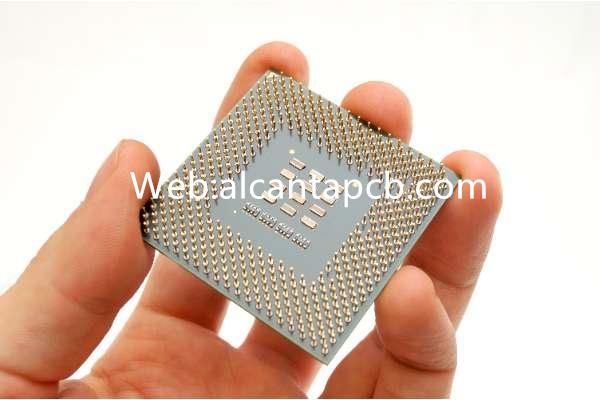
ما هي لوحة IPC Class III?
لوحة IPC Class III هي نوع من PCB يتوافق مع أعلى مستوى من الجودة والموثوقية كما هو محدد في معيار IPC-6012. تحدد هذه المواصفة القياسية متطلبات الأداء لمركبات ثنائي الفينيل متعدد الكلور الصلبة, مع لوحات من الفئة III مخصصة للمنتجات الإلكترونية عالية الموثوقية. تُستخدم هذه المنتجات غالبًا في البيئات القاسية ويجب أن تعمل دون أي عطل. تخضع لوحات IPC Class III لاختبارات صارمة ومراقبة الجودة لضمان استيفائها لهذه المتطلبات الصارمة, توفير أداء ومتانة لا مثيل لها.
هيكل لوحات IPC Class III
تم تصميم هيكل لوحات IPC Class III بدقة لضمان أقصى قدر من الموثوقية والأداء. وتشمل العناصر الهيكلية الرئيسية:
مواد أساسية عالية الجودة مثل FR-4, بوليميد, أو يتم استخدام شرائح عالية التردد لتوفير قوة ميكانيكية ممتازة, الاستقرار الحراري, والخصائص الكهربائية.
يتم تغليف طبقات متعددة من النحاس أو المواد الموصلة الأخرى على المادة الأساسية. تم تصميم هذه الطبقات بدقة لإنشاء المسارات الكهربائية اللازمة لوظيفة ثنائي الفينيل متعدد الكلور.
تستخدم مواد عازلة متقدمة لعزل الطبقات الموصلة, ضمان الحد الأدنى من فقدان الإشارة والتداخل. يتم اختيار هذه المواد بسبب انخفاض ثابت العزل الكهربائي والأداء الحراري العالي.
فيا, بما في ذلك من خلال ثقب فيا, فيا أعمى, والميكروفياس, تُستخدم لإنشاء توصيلات كهربائية رأسية بين طبقات مختلفة من PCB. تعتبر هذه الهياكل ضرورية لتحقيق الترابط عالي الكثافة والتوجيه المعقد.
تشتمل لوحات IPC Class III على ميزات الإدارة الحرارية مثل المشتتات الحرارية, فيا الحرارية, والطائرات النحاسية لتبديد الحرارة الناتجة عن المكونات عالية الطاقة, ضمان التشغيل المستقر.
سطح ثنائي الفينيل متعدد الكلور مطلي بتشطيبات مثل ENIG (انغماس النيكل المنحل بالكهرباء), OSP (مادة حافظة عضوية قابلة للحام), أو الفضة المغمورة لتعزيز قابلية اللحام وحماية الآثار الموصلة من الأكسدة والتآكل.
يتم تطبيق طبقة واقية من قناع اللحام على PCB لمنع جسور اللحام وحماية الدوائر من الأضرار البيئية.
المواد المستخدمة في لوحات IPC Class III
يعد اختيار المواد أمرًا بالغ الأهمية لأداء وموثوقية لوحات IPC Class III. وتشمل المواد المشتركة:
مواد عالية الأداء مثل FR-4, بوليميد, وتستخدم شرائح عالية التردد لتوفير القوة الميكانيكية اللازمة, الاستقرار الحراري, والخصائص الكهربائية.
النحاس هو المادة الموصلة الأساسية المستخدمة في لوحات IPC Class III بسبب موصليتها الكهربائية العالية وأدائها الحراري. في بعض الحالات, يمكن استخدام معادن أخرى مثل الذهب أو الفضة لتطبيقات محددة تتطلب موصلية أعلى أو مقاومة للتآكل.
المواد العازلة المتقدمة مثل راتنجات الايبوكسي, بوليميد, و بتف (بولي تترافلوروإيثيلين) تستخدم لعزل الطبقات الموصلة. توفر هذه المواد عزلًا كهربائيًا ممتازًا, الاستقرار الحراري, والمقاومة الكيميائية.
المواد ذات الموصلية الحرارية العالية, مثل الألومنيوم أو النحاس, تُستخدم في المشتتات الحرارية والمنافذ الحرارية لتبديد الحرارة بكفاءة من المكونات عالية الطاقة.
يوافق, OSP, والفضة المغمورة هي تشطيبات سطحية شائعة تعمل على تحسين قابلية اللحام وحماية ثنائي الفينيل متعدد الكلور من الأكسدة والتآكل.
تُستخدم أقنعة اللحام القائمة على الإيبوكسي بشكل شائع لحماية الدوائر ومنع جسور اللحام أثناء عملية التجميع.
عملية تصنيع لوحات IPC Class III
تتضمن عملية تصنيع لوحات IPC Class III عدة خطوات دقيقة ومضبوطة لضمان الجودة والأداء العالي. تشمل الخطوات الرئيسية:
تتضمن مرحلة التصميم إنشاء مخططات وتخطيطات تفصيلية باستخدام التصميم بمساعدة الكمبيوتر (CAD) برمجة. ويولى اهتمام خاص لسلامة الإشارة, التحكم في المعاوقة, والإدارة الحرارية.
مواد خام عالية الجودة, بما في ذلك المواد الأساسية, رقائق النحاس, والمواد العازلة, يتم إعدادها وفحصها للتأكد من مطابقتها للمواصفات المطلوبة.
يتم تصفيح المادة الأساسية ورقائق النحاس معًا باستخدام الحرارة والضغط لتشكيل هيكل موحد متعدد الطبقات. تعد المحاذاة والتحكم الدقيقان ضروريين لضمان ربط الطبقات بشكل صحيح.
يتم حفر Vias وmicrovias في PCB لإنشاء توصيلات كهربائية رأسية. ثم يتم طلاء هذه الثقوب بالنحاس لإنشاء مسارات موصلة.
يتم إنشاء أنماط الدوائر باستخدام عمليات الطباعة الحجرية الضوئية. يتضمن ذلك تطبيق فيلم حساس (مقاوم للضوء) إلى سطح النحاس, تعريضه للأشعة فوق البنفسجية (الأشعة فوق البنفسجية) الضوء من خلال قناع, وتطوير المناطق المكشوفة للكشف عن أنماط الدوائر المطلوبة. يتم بعد ذلك حفر PCB لإزالة النحاس غير المرغوب فيه, تاركين وراءهم آثار الدائرة.
يتم تطبيق طبقات عازلة لعزل الطبقات الموصلة. تتضمن هذه الخطوة طلاء ثنائي الفينيل متعدد الكلور بمادة عازلة ومعالجته لتشكيل طبقة صلبة.
بالوعة الحرارة, فيا الحرارية, ويتم دمج الطائرات النحاسية في لوحة PCB لإدارة تبديد الحرارة. تعتبر هذه الخطوة حاسمة لضمان التشغيل الموثوق للمكونات عالية الطاقة.
التشطيبات السطحية مثل ENIG, OSP, أو يتم تطبيق الفضة المغمورة على وسادات التلامس لتحسين قابلية اللحام والحماية من الأكسدة. يتم تطبيق هذه التشطيبات باستخدام تقنيات الطلاء أو الغمر.
يتم تطبيق طبقة واقية من قناع اللحام على PCB لمنع جسور اللحام وحماية الدوائر من الأضرار البيئية. عادةً ما يتم تطبيق قناع اللحام باستخدام طباعة الشاشة أو تقنيات الطباعة الحجرية الضوئية.
تخضع مركبات ثنائي الفينيل متعدد الكلور النهائية لفحص واختبار صارمين للتأكد من أنها تلبي جميع معايير الأداء والموثوقية. الاختبارات الكهربائية, التفتيش البصري, والفحص البصري الآلي (الهيئة العربية للتصنيع) يتم استخدامها لتحديد أي عيوب أو مخالفات. بالإضافة إلى ذلك, تتطلب لوحات IPC Class III اختبارات أكثر صرامة, بما في ذلك اختبارات الإجهاد الحراري, اختبارات التلوث الأيوني, وتحليل المجهرية.
مجالات تطبيق لوحات IPC Class III
تُستخدم لوحات IPC Class III في مجموعة واسعة من التطبيقات الإلكترونية عالية الموثوقية في مختلف الصناعات. وتشمل مجالات التطبيق الرئيسية:
في تطبيقات الفضاء الجوي, تُستخدم لوحات IPC Class III في إلكترونيات الطيران, أنظمة الملاحة, معدات الاتصالات, وأنظمة التحكم. تعد موثوقيتها العالية وأدائها أمرًا بالغ الأهمية لضمان سلامة وكفاءة العمليات الفضائية.
تعتبر لوحات IPC Class III ضرورية في التطبيقات العسكرية, بما في ذلك أنظمة الرادار, أجهزة الاتصالات, أنظمة مراقبة الأسلحة, ومعدات المراقبة. إن قدرتهم على تحمل البيئات القاسية والأداء الموثوق في ظل الظروف القاسية أمر حيوي للعمليات العسكرية.
في قطاع الرعاية الصحية, تُستخدم لوحات IPC Class III في التصوير الطبي, التشخيص, أنظمة مراقبة المرضى, ومعدات دعم الحياة. ويضمن أدائها العالي وموثوقيتها التشغيل الدقيق والفعال للتقنيات الطبية الهامة.
تُستخدم لوحات IPC Class III في الأنظمة الصناعية المهمة, بما في ذلك الضوابط الأتمتة, أنظمة إدارة الطاقة, ومعدات التحكم في العمليات. إنها توفر أداءً موثوقًا ومتانة في البيئات الصناعية الصعبة.
في الاتصالات السلكية واللاسلكية, تُستخدم لوحات IPC Class III في معدات الشبكات عالية السرعة, أنظمة نقل البيانات, والبنية التحتية للاتصالات. تعتبر موثوقيتها العالية وأدائها ضروريين لضمان الاتصال الفعال وغير المنقطع.
مزايا لوحات IPC Class III
توفر لوحات IPC Class III العديد من المزايا التي تجعلها لا غنى عنها للتطبيقات الإلكترونية عالية الموثوقية. وتشمل هذه المزايا:
تم تصميم وتصنيع لوحات IPC Class III لتلبية أعلى معايير الموثوقية, ضمان الأداء المتسق في التطبيقات الهامة.
يضمن استخدام مواد عالية الجودة وعمليات تصنيع دقيقة أن لوحات IPC Class III يمكنها تحمل البيئات القاسية والظروف القاسية.
يؤدي التصميم المتقدم والمواد المستخدمة في لوحات IPC Class III إلى أداء كهربائي وحراري فائق, تمكين البيانات الفعالة ونقل الطاقة.
تخضع لوحات IPC Class III لفحص واختبار صارمين للتأكد من أنها تلبي معايير الأداء والموثوقية الصارمة, تقليل مخاطر الفشل في تطبيقات العالم الحقيقي.
يمكن تكييف لوحات IPC Class III بسهولة لدعم العديد من التطبيقات عالية الموثوقية, مما يجعلها مناسبة لمجموعة واسعة من الصناعات والتقنيات.
التعليمات
دبليوتُستخدم مواد القبعة بشكل شائع في لوحات IPC Class III?
تشتمل المواد الشائعة المستخدمة في لوحات IPC Class III على مواد أساسية عالية الأداء مثل FR-4, بوليميد, وشرائح عالية التردد; المواد الموصلة مثل النحاس; المواد العازلة المتقدمة; مواد الإدارة الحرارية مثل الألومنيوم والنحاس; والتشطيبات السطحية مثل ENIG, OSP, والفضة المغمورة.
كيف تعمل لوحات IPC Class III على تحسين موثوقية الأنظمة الإلكترونية?
تعمل لوحات IPC Class III على تحسين موثوقية الأنظمة الإلكترونية من خلال ضمان الأداء المتسق, متانة, وتعزيز الخصائص الكهربائية والحرارية. تضمن عملية التصنيع الصارمة وإجراءات مراقبة الجودة الصارمة أن هذه اللوحات تلبي أعلى معايير الموثوقية.
هل يمكن استخدام لوحات IPC Class III في الأجهزة الطبية؟?
نعم, تعتبر لوحات IPC Class III مناسبة جدًا للأجهزة الطبية. يتم استخدامها في التصوير الطبي, التشخيص, أنظمة مراقبة المرضى, ومعدات دعم الحياة. يعد أدائها العالي وموثوقيتها أمرًا ضروريًا لضمان التشغيل الدقيق والفعال للتقنيات الطبية المهمة.
ما هي مزايا استخدام لوحات IPC Class III في تطبيقات الطيران?
تتضمن مزايا استخدام لوحات IPC Class III في تطبيقات الطيران موثوقية عالية, متانة, تعزيز الأداء, والقدرة على تحمل البيئات القاسية والظروف القاسية. تضمن هذه الفوائد التشغيل الآمن والفعال لأنظمة ومعدات الطيران.